How We Developed Our Wax Canvas Formula: 3 Years of Field Testing Across 4 Climates
Most manufacturers buy wax canvas off the shelf. We spent three years developing our own formula, testing it in four different climates, and rebuilding it twice before we were satisfied.
Links Golf Sports Team
Product Specialist & OEM Consultant · Links Sports Co
10+ years in golf & tennis bag manufacturing. Specialises in OEM/ODM custom branding, material sourcing, and B2B wholesale for brands across 30+ countries.
How We Developed Our Wax Canvas Formula: 3 Years of Field Testing Across 4 Climates
Most manufacturers buy wax canvas off the shelf. They select a weight, place an order, and move on. We spent three years developing our own formula, testing it in four different climates, and rebuilding it twice before we were satisfied enough to put it into production.
This is the story of that process — and why the extra time and investment made a difference that you can feel in every bag we ship.
Why Wax Canvas, and Why It Matters
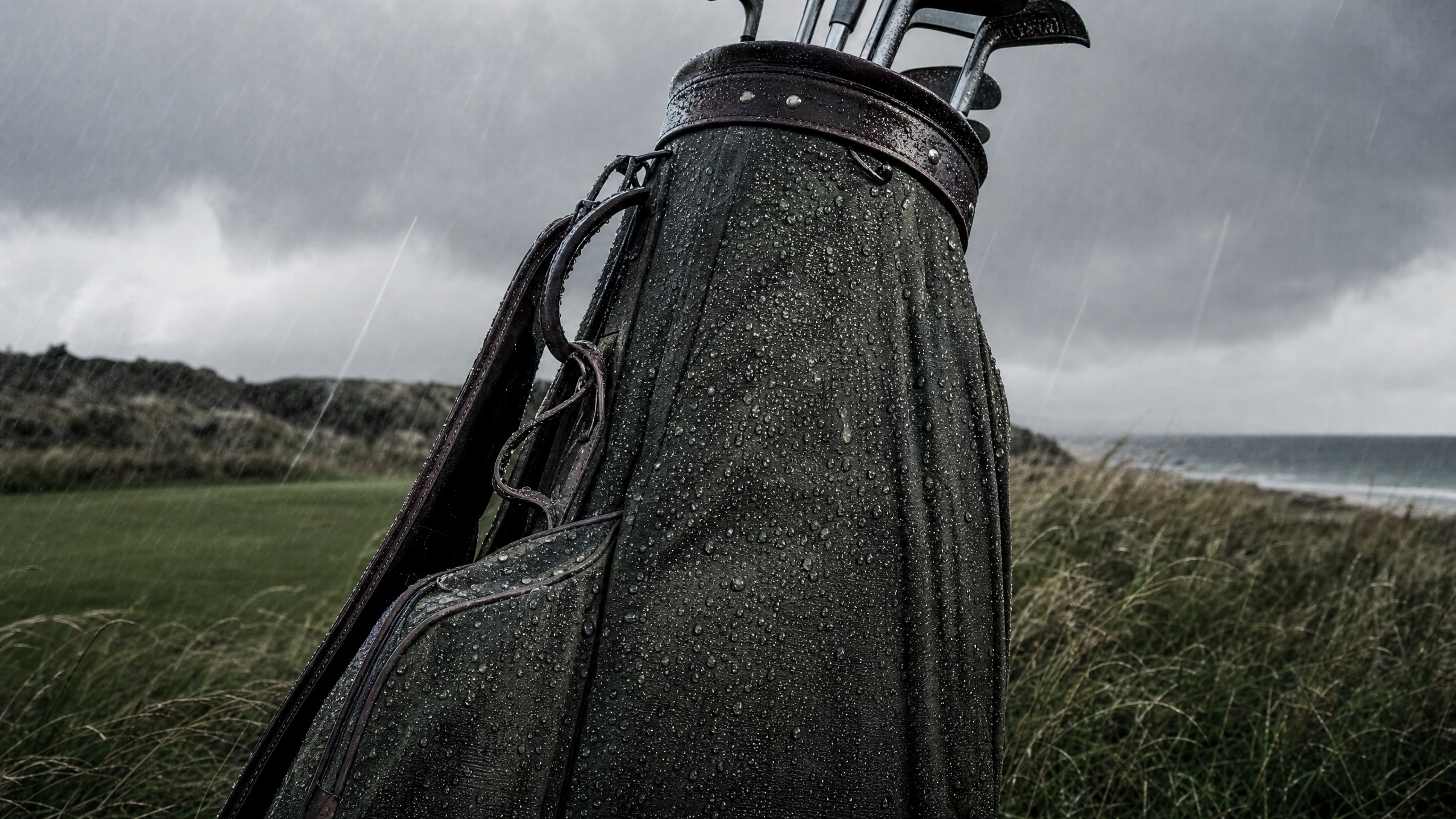
Wax canvas has been used in outdoor equipment for over a century. The original Barbour wax jacket, the classic military kit bag, the heritage golf bag carried by caddies at St Andrews in the early twentieth century — all of these relied on waxed cotton canvas for the same fundamental reason: it is water-resistant, breathable, and durable in a way that synthetic materials cannot replicate.
The golf bag market rediscovered wax canvas approximately a decade ago, driven by a broader movement toward heritage aesthetics and natural materials. Today, wax canvas golf bags command a premium in the market and are associated with quality, craftsmanship, and a certain timeless sensibility that resonates with golfers who care about the objects they carry.
But not all wax canvas is equal. The wax formulation, the canvas weight, the weave structure, and the finishing process all affect how the material performs over time. A poorly formulated wax canvas will dry out and crack in cold climates, become tacky and soft in high heat, lose its water resistance after a season of use, or develop an uneven patina that looks neglected rather than distinguished.
The Testing Program
In 2021, we began a systematic testing program to understand exactly how different wax canvas formulations performed under real-world conditions. We identified four climate profiles that represented the primary markets where our bags would be used: the cool, damp conditions of the British Isles and Northern Europe; the hot, humid conditions of Florida and Southeast Asia; the dry heat of the American Southwest and the Middle East; and the variable conditions of temperate regions like the US Northeast and Central Europe.
For each climate profile, we sourced test panels from six different wax canvas suppliers and subjected them to a twelve-month exposure protocol. Panels were mounted outdoors at test sites in each region, exposed to UV light, rain, temperature cycling, and physical abrasion. We also conducted accelerated aging tests in our facility using UV chambers and humidity cycling equipment.
The results were instructive. Three of the six supplier formulations failed within the first six months in at least one climate condition. One formulation performed well in cool, damp conditions but became excessively tacky in high heat, making it unsuitable for tropical markets. Another performed well in dry conditions but lost its water resistance rapidly in sustained rainfall.
Only one supplier's formulation passed all four climate profiles consistently — and even that formulation required modification before we were satisfied with its long-term patina development.
Rebuilding the Formula
Working with our preferred supplier, we spent the following eighteen months refining the wax formulation. The key variables were the ratio of paraffin to beeswax in the wax blend, the penetration depth of the wax into the canvas fibers, and the canvas weight and weave structure.
Paraffin-dominant formulations are harder and more water-resistant in cold conditions but become brittle and prone to cracking. Beeswax-dominant formulations are more flexible and develop a richer patina but require more frequent re-waxing to maintain water resistance. The optimal blend for a golf bag — which needs to perform across a wide range of conditions and requires minimal maintenance from the end user — sits at a specific ratio that we arrived at through iterative testing rather than theoretical calculation.
We also increased the canvas weight from the standard 10-ounce specification used by most suppliers to a 12-ounce specification. The heavier canvas provides better structural integrity for bag panels, reduces the risk of abrasion damage at contact points, and holds the wax formulation more consistently over time.
The final formulation was locked in late 2023 and entered full production in early 2024. Every wax canvas bag we have shipped since then uses this specification.
What You Should Know as a Buyer
When you order a wax canvas golf bag from Links Golf Sports, you are receiving a product built on three years of material development work. The canvas will not dry out or crack in cold climates. It will not become tacky or lose its shape in high heat. It will develop a natural patina over time that reflects the bag's history of use — the kind of patina that makes a bag look characterful rather than worn.
We provide care instructions with every order, but the honest truth is that our wax canvas requires very little maintenance. An occasional re-wax — once a year for bags in heavy use, once every two to three years for lighter use — is sufficient to maintain full water resistance. The canvas itself will outlast the wax treatment many times over.
We are happy to provide material samples and our full technical specification sheet to any prospective client. If you have specific climate requirements or use-case conditions you would like us to address, our product team can advise on the most appropriate specification for your order.
Share this article