Why We Only Use Full-Grain Leather, Not Bonded Leather: A Sourcing Decision That Took 3 Years
Three years ago, we made a sourcing decision that cost us more money upfront but defined everything we stand for. We chose full-grain leather — and we never looked back.
Links Golf Sports Team
Product Specialist & OEM Consultant · Links Sports Co
10+ years in golf & tennis bag manufacturing. Specialises in OEM/ODM custom branding, material sourcing, and B2B wholesale for brands across 30+ countries.

Why We Only Use Full-Grain Leather, Not Bonded Leather: A Sourcing Decision That Took 3 Years
Three years ago, we made a sourcing decision that cost us more money upfront but defined everything we stand for as a manufacturer. We chose to use only full-grain leather across our entire golf bag line — and we have never looked back.
This is the story of how we got there, what we learned, and why it matters for every club, resort, and pro shop that puts their brand name on one of our bags.
The Problem with Bonded Leather
Walk into any trade show, browse any wholesale catalog, and you will find golf bags described simply as "leather." What that label rarely tells you is which kind of leather. In the golf accessories industry, bonded leather — sometimes called reconstituted leather or PU leather — is overwhelmingly common. It is made by grinding up leather scraps and fibers, binding them with polyurethane adhesives, and pressing the mixture onto a fabric backing. The result looks convincing in a product photograph. It feels smooth to the touch in a showroom. And it costs a fraction of what genuine full-grain leather costs.
The problem reveals itself over time. Bonded leather begins to peel, crack, and flake within 18 to 36 months of regular use, particularly in humid climates or when exposed to UV light. For a golf bag that a club member carries three times a week, or a Sunday bag that travels between courses and car boots, this degradation is not just a cosmetic issue — it is a brand reputation issue. When a club member's bag starts peeling, the first thing they associate that failure with is the club that sold it to them.
We saw this pattern repeatedly in the early years of our business. Clients would return after two seasons asking why their branded bags looked worn and damaged. The answer was always the same: the leather was not real leather.
The Three-Year Journey
In 2022, we made a formal commitment to eliminate bonded leather from our supply chain entirely. What followed was three years of supplier audits, material testing, and cost renegotiation that fundamentally changed how we source.
Full-grain leather is the highest quality cut of hide available. It retains the complete grain surface of the animal skin, including the natural markings, pores, and texture that give each piece its character. Unlike corrected-grain or top-grain leather — which are sanded and buffed to remove imperfections — full-grain leather develops a patina over time. It does not peel. It does not crack under normal use. It becomes more beautiful with age, not less.
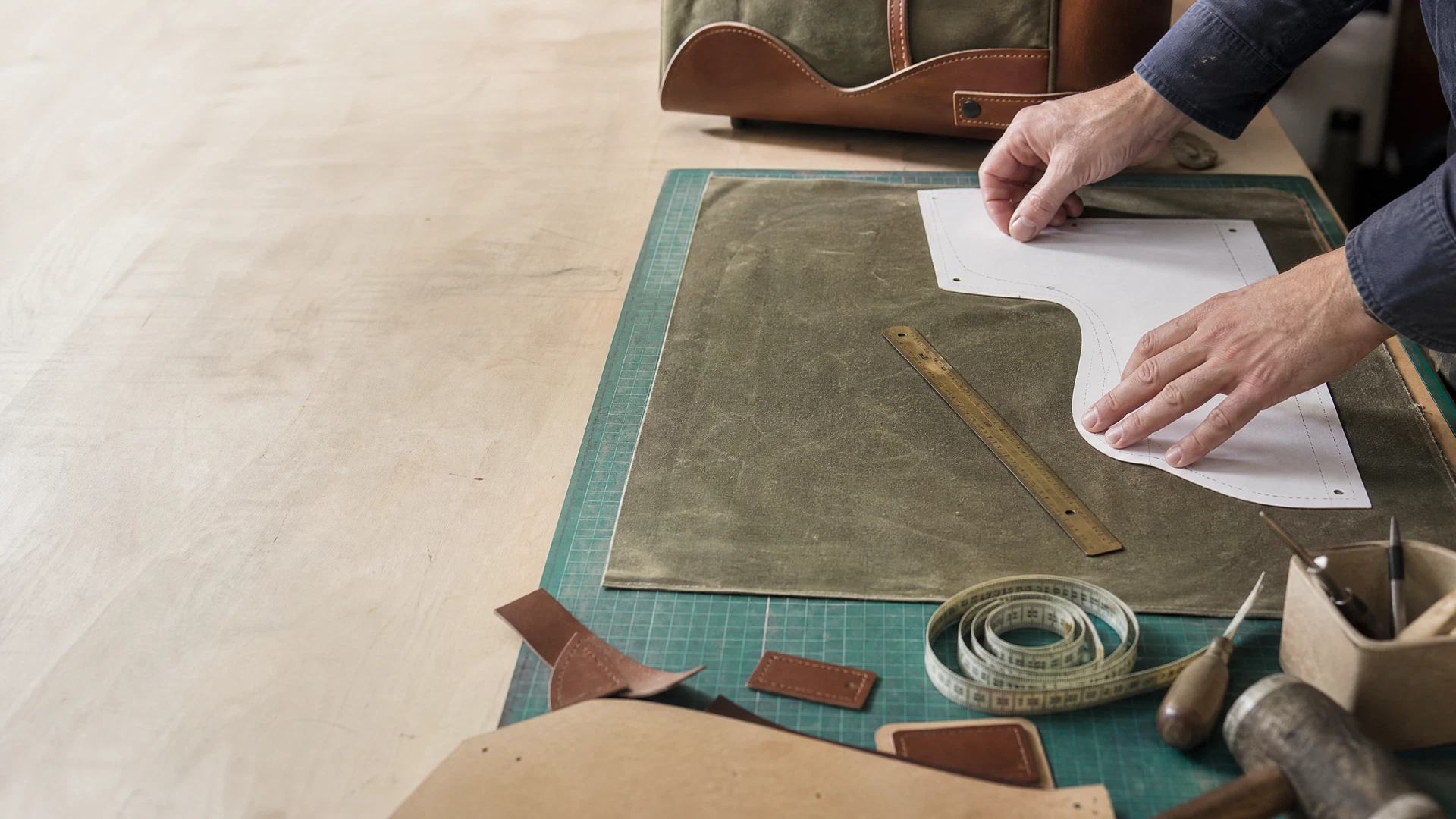
The sourcing challenge was significant. Full-grain leather suitable for golf bag applications requires hides that meet specific thickness, temper, and finish standards. We audited tanneries across Italy, Argentina, and Southeast Asia before settling on our current supply partners. Italian full-grain leather, in particular, offered the combination of consistent quality, appropriate temper for bag construction, and the heritage aesthetic that aligns with our product positioning.
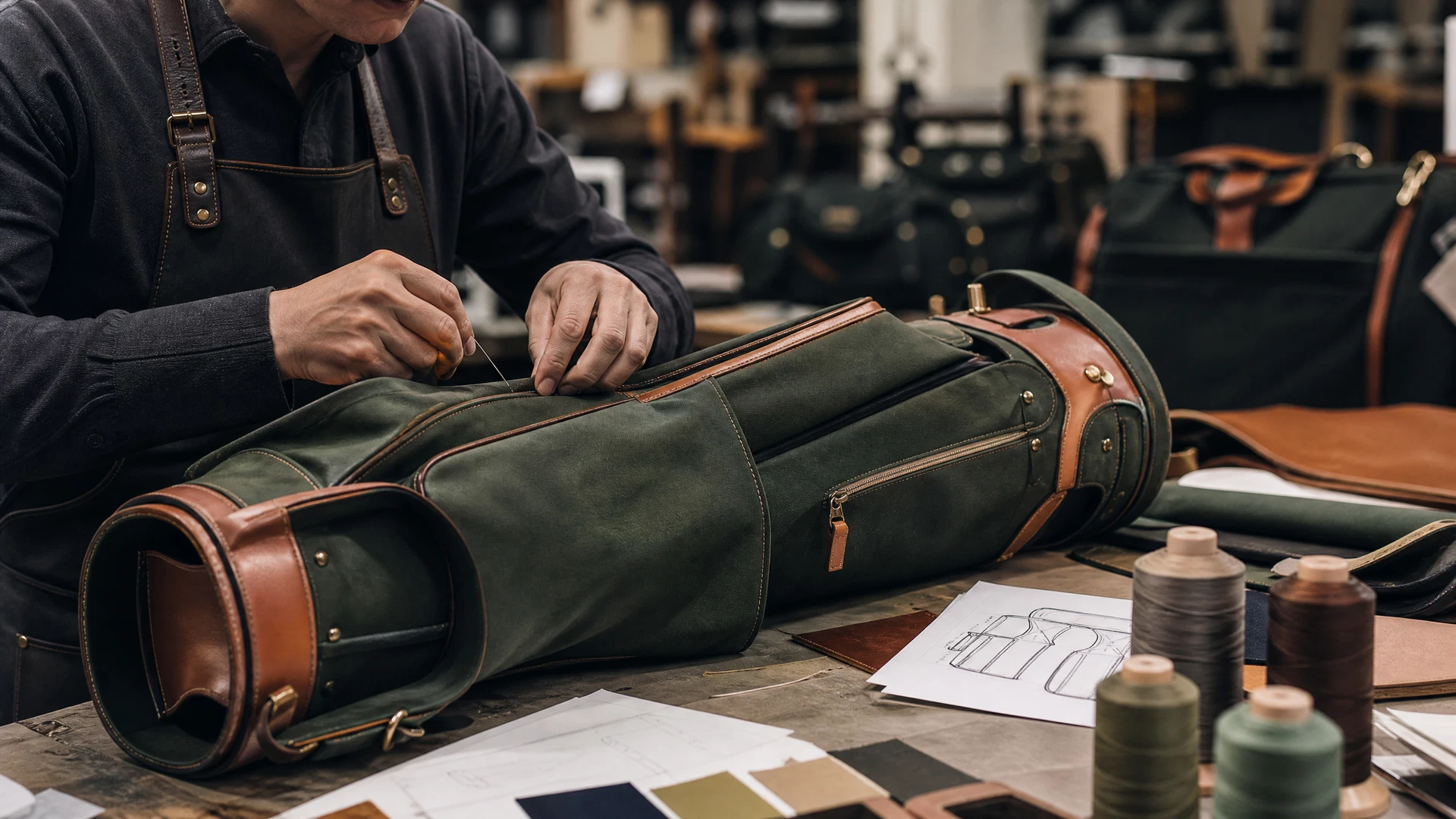
We also had to redesign several of our construction processes. Full-grain leather behaves differently from bonded leather at the stitching stage — it requires different needle gauges, different thread tensions, and more experienced hands at the assembly line. Our production costs increased by approximately 18 percent across the leather-intensive product lines. We absorbed a portion of that increase and passed a portion on to our clients, with full transparency about why.
What This Means for Your Brand
When you put your club's name or logo on a Links Golf Sports bag, you are putting it on a product built to last five to ten years of regular use. That is not a marketing claim — it is a material specification.
Full-grain leather does not require special care to maintain its appearance. It develops a natural patina that makes each bag look more distinguished over time, not more worn. For clubs and resorts that position themselves at the premium end of the market, this aging characteristic is an asset, not a liability. A member who carries the same club-branded bag for seven years is not just a satisfied customer — they are a walking advertisement for your brand's quality standards.
For pro shops and retailers, the durability argument translates directly into fewer returns, fewer complaints, and stronger repeat purchase rates. In our experience, clients who switched from bonded leather products to our full-grain leather line saw a significant reduction in warranty claims within the first two seasons.
The Broader Commitment
Our decision on leather is part of a wider sourcing philosophy at Links Golf Sports. Every material we use — from our wax canvas formulations to our brass hardware to our cotton canvas linings — is selected on the basis of long-term performance rather than short-term cost optimization. We believe that the golf accessories market is moving toward quality and authenticity, driven by a generation of golfers who research their purchases carefully and value craftsmanship over convenience.
If you are evaluating suppliers for your next custom bag order, we encourage you to ask one simple question: what grade of leather are you using, and can you show me a sample that is three years old? The answer will tell you everything you need to know.
We are happy to send material samples and provide full documentation of our leather sourcing standards to any prospective client. Contact us through the inquiry form on our website, and our team will respond within 24 hours.
Share this article