A Signature in Burgundy: A Custom Golf Stand Bag Story by Links Sports
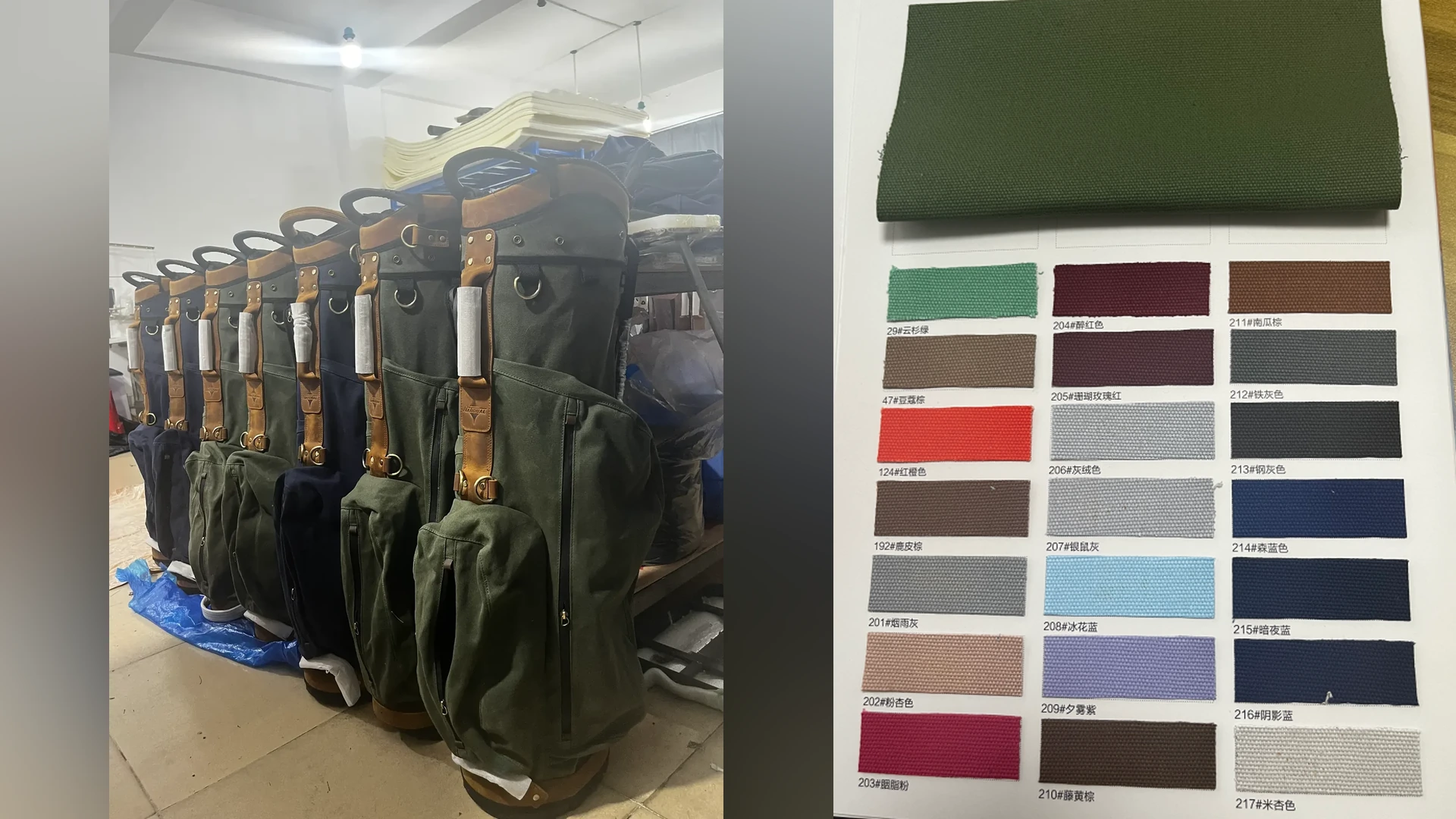
Inside a recent Links Sports burgundy custom golf stand bag project: waxed canvas, leather details, handcraft, professional communication and a 25-day lead time.
Links Sports Team
Product Specialist & OEM Consultant · Links Sports Co
10+ years in golf & tennis bag manufacturing. Specialises in OEM/ODM custom branding, material sourcing, and B2B wholesale for brands across 30+ countries.
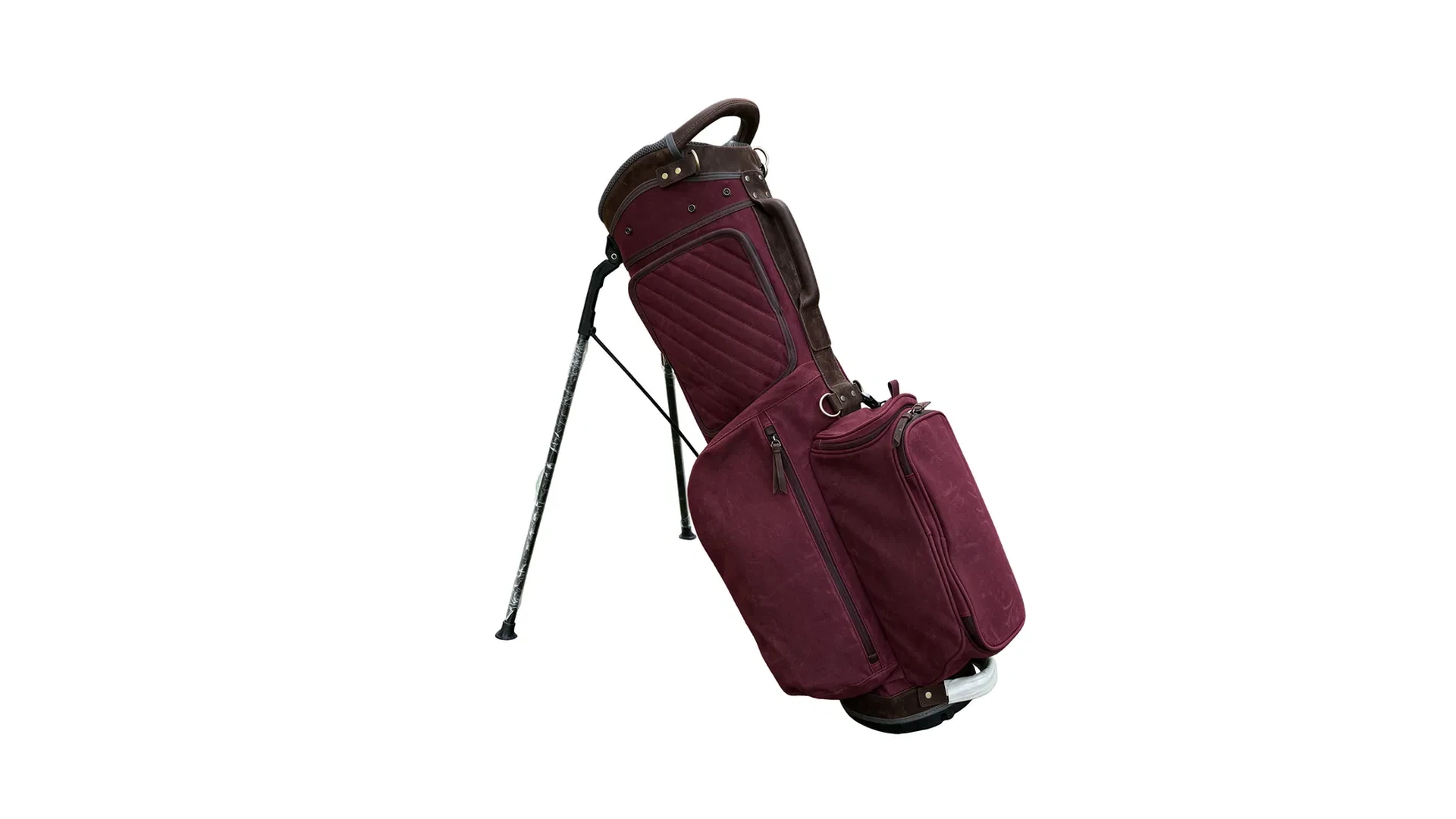
A distinctive golf bag does not need a loud color or an oversized logo to feel recognizable. Sometimes its identity comes from a quieter combination: deep burgundy canvas, dark brown trim, a quilted front panel, and carefully finished carrying details.
That combination defines a recent custom golf stand bag order at Links Sports Co. The project brought together premium materials, handcraft, factory quality, and smooth professional communication, with a lead time of 25 days for this particular order. Its value as a product story is not simply that a bag was made quickly. It shows how a restrained design can give brand buyers and club purchasing managers a clear foundation for a distinctive product—and a practical basis for discussing its manufacture.
A Recent Order with a Recognizable Foundation
The product at the center of this story is the Linkssports Everett Burgundy Canvas Golf Stand Bag, model LG-053. Its deep wine-burgundy body and dark brown accents establish a coherent visual identity before any branding decisions enter the conversation.
For an overseas buyer, that matters. A recognizable foundation makes it easier to discuss what should remain consistent and what might be customized. The central question becomes more useful than “Can you make a golf bag?” It becomes “How can this material and design language support our brand or club?”
The finished bag gives that conversation something concrete to work with. Its color is distinctive, but the design remains unmistakably a golf stand bag. For a club or private label seeking a considered alternative to a heavily decorated product, that balance is worth exploring.
Burgundy and Brown: Contrast without Visual Noise
The burgundy canvas golf stand bag has a strong color presence, but the palette is not built around contrast alone. The dark brown trim gives the wine-colored body a grounded edge. Rather than competing for attention, the two tones help the bag read as one considered object.
The diagonal quilting across the front panel adds another layer. Its pattern gives the large surface structure and draws attention to the front of the bag without introducing another color. The result is a design with several points of interest that still feels restrained.
For a brand collection or club retail assortment, this is a useful distinction. A signature product should be recognizable, but it also needs to sit comfortably beside apparel, accessories, and other equipment. Buyers considering a similar direction can review the bag as part of their wider range, asking whether its palette complements existing products and whether the trim creates the right degree of contrast. Those are merchandising decisions, not reasons to add more decoration.
Premium Materials Need a Clear Specification
The material specification for LG-053 is wax canvas with full-grain leather trim. Its product description also identifies split-suede detailing. Together, the materials give the finished design contrasting surfaces: the woven character of the burgundy body, the darker leather trim, and the softer appearance of the suede details.
A waxed canvas golf bag brings fabric texture into the design, while the leather trim introduces a different surface character. The premium impression comes from that relationship as much as from either material in isolation. High-quality materials are most convincing when their placement feels purposeful rather than decorative.
For a custom order, buyers should request a component-level material description. Identify which panels use canvas, where full-grain leather is specified, and where suede or another material is intended. That approach makes quotations easier to compare and reduces ambiguity when discussing substitutions. Matching the color of two components does not make their materials interchangeable.
Material names should also stay separate from performance claims. Waxed canvas alone does not establish a finished bag's waterproof rating. Any required weather resistance should be discussed and supported separately rather than inferred from the appearance or material label.
The Craft Details That Give the Bag Its Character
Several visible details help this bag feel complete. The diagonal quilted front panel provides texture. Long and smaller external zip pockets introduce distinct storage areas. The padded carrying strap and handle bring a softer visual element to the carrying points, while the stand assembly establishes the bag's practical format.
These details are worth considering together. A long pocket affects the side profile; a smaller pocket contributes to the arrangement of the exterior surfaces. Trim lines frame those shapes. Quilting changes how the canvas catches light. The design is therefore more than a burgundy body with brown pieces attached to it.
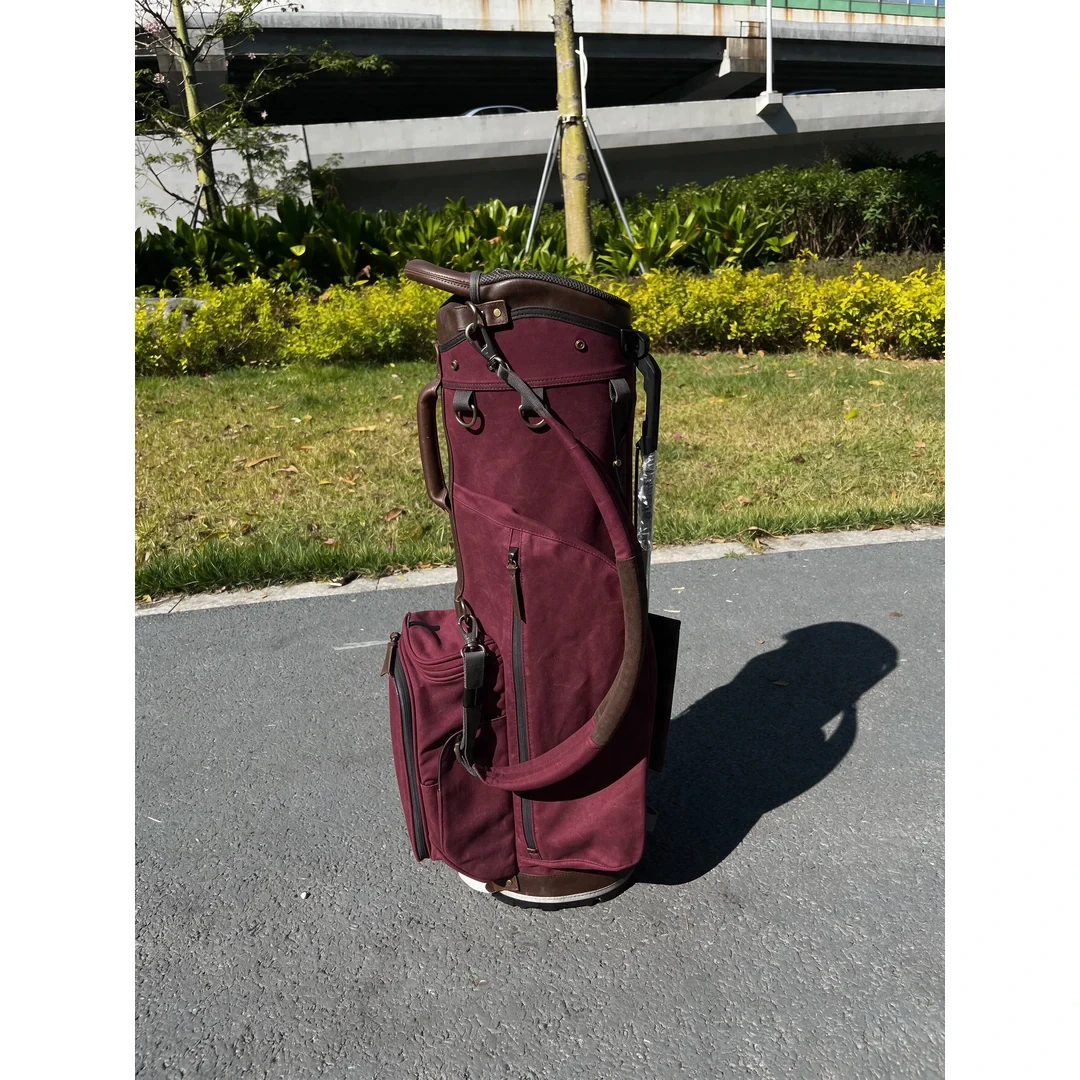
For buyers reviewing custom golf stand bags, the useful next step is to connect visible features with their intended role. Ask about pocket dimensions and openings, the proposed carrying arrangement, and the available stand configuration. Appearance can guide the conversation, but it cannot answer every specification question. Internal organization and carrying weight should be confirmed separately for the proposed order.
Handcraft with Factory Repeatability
Handcraft and factory production are not opposing ideas. This project brings them together: attention to the material joins and finishing details, supported by the practical discipline of factory manufacturing. Hand-guided work has a place alongside production equipment; the quality of the finished product matters more than an exaggerated claim that no machinery was involved.
The important commercial question is how a considered finish can become a repeatable product. A buyer is not purchasing only the appearance of one attractive bag. They need a shared understanding of the construction and finish that should carry through the order.
When reviewing a similar design, start with the positioning of the quilted panel, the relationship between pockets and trim, seam presentation, and the finish around carrying points. Ask for clear views from more than one angle. A front photograph explains the overall character; side and rear views reveal how the design continues around the bag. Those are practical review priorities, not a substitute for agreeing the final specification.
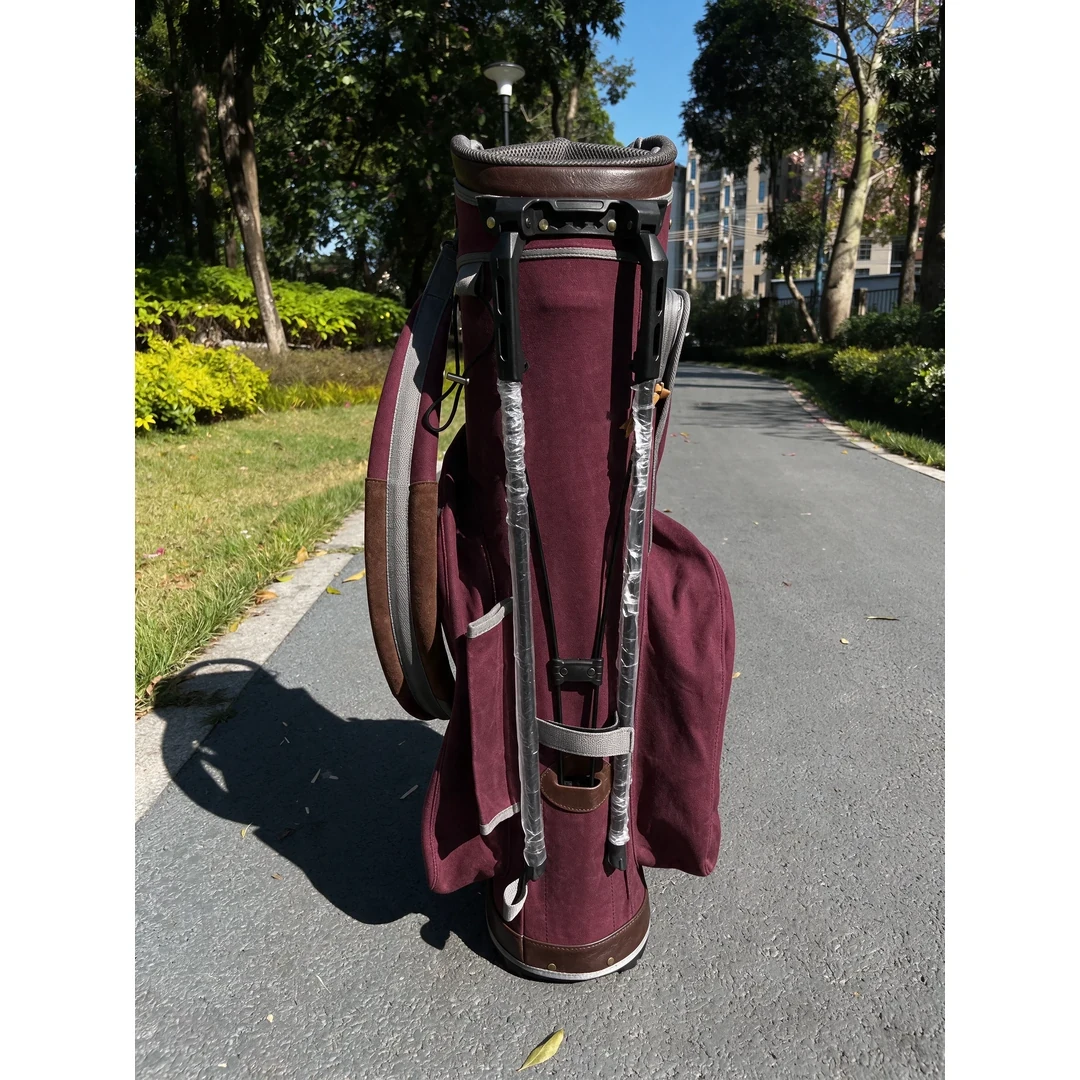
Working with a golf bag manufacturer is most productive when “premium quality” becomes specific enough to discuss. The aim is to preserve the character of the design while defining the details that make consistency meaningful. That is where handcraft becomes commercially useful rather than simply descriptive.
Turn a Design Direction into a Buyer-Friendly Brief
A strong starting brief does not need to be long. It needs to distinguish the chosen product foundation from the changes under consideration. For this burgundy design, a buyer might identify the preferred canvas and trim combination, the exterior pocket arrangement, and the quilted panel as elements to retain, then list any requested adjustments separately.
Branding deserves its own specification. A logo file does not, by itself, settle placement, dimensions, color, or application method. Those details should be discussed with the manufacturer and confirmed for the proposed construction. A visually restrained bag also deserves a considered branding decision: the mark should work with the product rather than compete with it.
Buyers exploring private label golf bags should distinguish a reference from a finished instruction. Our guide, The Reference, Not the Replica: A Buyer’s Guide to Original Heritage-Inspired Golf Bag Design, offers a related perspective on turning design influences into an original product direction.
The goal is a concise document that helps both sides understand the same product, not a collection of images that leaves essential choices open to interpretation.
Professional Communication Keeps Decisions Understandable
The communication on this recent project was smooth and professional. That is a meaningful part of the outcome, especially in a product business where appearance, materials, construction, and commercial requirements have to be discussed together.
For overseas purchasing managers, a useful response is one that stays connected to the product. It should make the proposed specification understandable and identify what still needs a decision. Clear communication supports the relationship between the buyer's design expectations and the factory's manufacturing work.
For a future project, group questions by topic and record decisions in writing. Keep material choices separate from branding requests, and distinguish confirmed specifications from items still awaiting review. If a proposed change affects other parts of the bag, ask for those implications to be explained before treating it as settled.
Buyers comparing options across our golf stand bag collection can use the same structure for each model. That makes the comparison more informative than judging photographs alone and gives Links Sports a clearer basis for answering.
What the 25-Day Lead Time Means for Buyers
This burgundy custom stand bag project had a lead time of 25 days. That is the timing result for this order—not a universal promise for every Links Sports project, every customization request, or every quantity.
For purchasing managers planning a launch, retail introduction, or club program, the lesson is to request a quotation tied to their own specifications and timing requirements. Ask what the quoted lead time covers, what must be confirmed before it begins, and how transportation arrangements fit into the overall plan. Production timing and arrival at the buyer's destination should be treated as separate planning questions.
To discuss a similar burgundy design or a different custom direction, contact Links Sports Co with the intended product, requested changes, quantity, and target schedule. This recent order offers a concrete example of material balance, considered craft, and professional cooperation. The next order deserves an equally specific conversation and its own confirmed quotation.
Frequently Asked Questions
Q: What materials are specified for the Everett burgundy stand bag?
The LG-053 Everett model specifies wax canvas with full-grain leather trim, with split-suede detailing also identified in the product description. For a custom order, request a component-level specification so the materials used in each area are clear.
Q: Does Links Sports guarantee a 25-day lead time for every custom order?
No. The 25-day lead time applies to the recent burgundy custom stand bag project described here. New projects need an individual quotation based on their specifications and requirements. Confirm what the quoted timing covers and plan transportation separately.
Q: What information should a buyer provide for a similar custom golf stand bag?
Provide the preferred model or design direction, material requirements, requested feature changes, logo artwork and intended placement, order quantity, and target schedule. Ask Links Sports to confirm feasible options and any unresolved specifications before treating the brief as final.
Q: Which details should buyers review in the product photographs?
Review the burgundy canvas and brown trim combination, diagonal front-panel quilting, exterior pocket arrangement, carrying points, and stand assembly. Use photographs to establish the design direction, then request confirmation of dimensions, internal organization and any performance requirements for your proposed order.
Share this article