A Pro-Shop Buyer’s Guide to Planning for Golf Bag Repairs
A comprehensive guide for pro-shop buyers on evaluating golf bag repairability, identifying high-wear components, and implementing a strategic repair vs. replace decision framework.
Links Golf Sports
Product Specialist & OEM Consultant · Links Sports Co
10+ years in golf & tennis bag manufacturing. Specialises in OEM/ODM custom branding, material sourcing, and B2B wholesale for brands across 30+ countries.
Managing a pro-shop or a golf club’s rental fleet involves balancing procurement costs with operational efficiency. While aesthetic appeal and weight are often prioritized, the long-term viability of a golf bag depends on its repairability and the durability of its high-wear components. For a pro-shop buyer, planning for repairs is about selecting products that allow for maintenance and understanding the equipment lifecycle.
Identifying High-Wear Components
In high-use environments, certain elements are subjected to repetitive stress that leads to functional decline. Zippers and Fasteners are often the first points of failure. Continuous use, combined with exposure to sand and moisture, can cause teeth to misalign or sliders to wear down. Buyers should consider checking for reinforced zipper tracks during sample reviews. Strap Attachment Points bear the weight of the equipment. Over time, the stitching or hardware at these junctions may show signs of fatigue. Stand Mechanisms involve legs and internal springs that can become bent or lose tension through frequent deployment. Base and Bottom Molding is constantly in contact with carts and turf. Abrasive wear here can eventually compromise the structural integrity of the bag’s bottom.
Evaluating Repairability During Procurement
When reviewing samples, buyers should look beyond the surface to assess how easily a bag can be serviced. A bag constructed as a single, non-serviceable unit may result in higher replacement costs compared to one designed with modularity.
Buyers may consider inquiring whether specific components, such as stand legs or shoulder straps, are replaceable without specialized industrial equipment. Bags that utilize standard hardware or accessible seam constructions may be easier for local repair services to handle. Selecting products that allow for minor interventions can notably reduce the total cost of ownership over several seasons.
Component Repairability Matrix
The following table provides a framework for evaluating common bag components based on wear patterns and repair feasibility.
| Component | Common Wear Issue | Repair Feasibility | Procurement Consideration |
|---|---|---|---|
| Main Zippers | Slider wear, misalignment | Moderate | Look for oversized or heavy-duty sliders. |
| Shoulder Straps | Padding compression | High | Check if straps are detachable via clips. |
| Stand Legs | Bending, tension loss | Moderate | Confirm if leg kits are available as spares. |
| Club Dividers | Lining tear | Low | Evaluate the reinforcement of the top cuff. |
| Fabric Panels | Puncture, abrasion | Moderate | Consider darker colors or high-denier fabrics. |
The "Repair vs. Replace" Decision Framework
For managers of large fleets, deciding when to invest in a repair versus when to retire a bag is a critical choice. A structured approach helps maintain a professional image while managing budgets.
- Assessment of Functional Integrity: If the primary structure—such as the internal frame or molded base—is compromised, replacement is often the more practical route. Repairs to these areas may not restore the bag to a reliable state.
- Cumulative Repair Costs: Track the history of each unit. If a single bag requires multiple repairs to different systems, the cumulative cost and downtime may exceed the value of a new unit.
- Aesthetic Standards: The visual condition of equipment reflects the club's brand. Even if a bag is functionally sound, noticeable fading or poorly matched patches may necessitate its transition to secondary use or retirement.
Operational Maintenance Planning
Implementing a routine maintenance schedule can extend the interval between major repairs. Pro-shops should consider a quarterly inspection to identify minor issues before they escalate. Simple actions, such as cleaning grit out of zipper tracks or tightening loose hardware, can prevent more extensive failures.
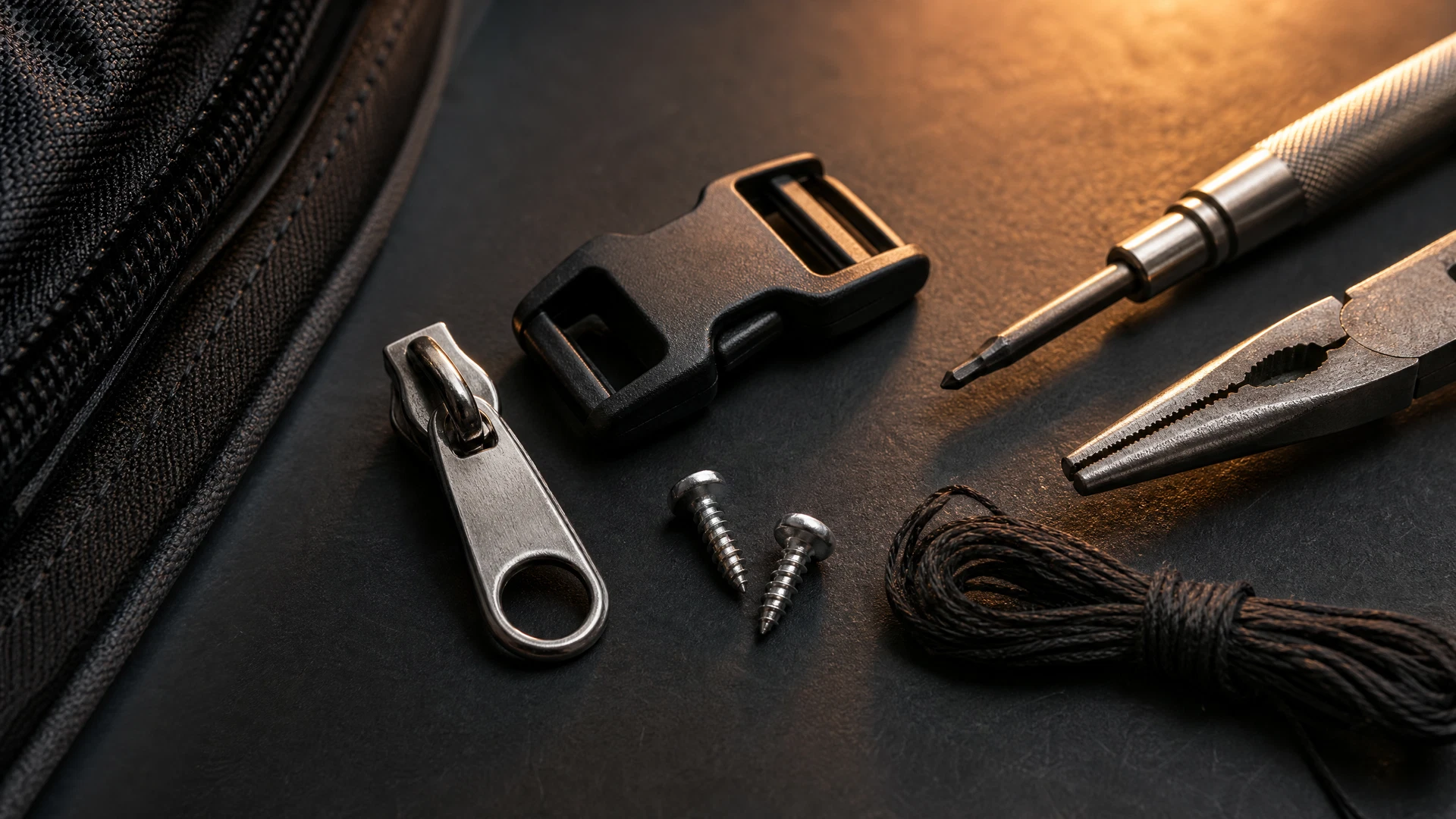
When working with suppliers, it is beneficial to discuss the availability of "repair kits" or common spare parts. Having a small inventory of replacement sliders, buckles, and stand feet on hand can minimize the time a bag is out of service.
Sample Inspection Checklist for Buyers
Before finalizing a procurement contract, buyers should use the following checklist to evaluate the maintenance profile of a bag sample:
- Zipper Accessibility: Are zipper ends tucked into seams in a way that allows for slider replacement?
- Stitching Quality: Are high-stress areas like handle attachments reinforced with box-stitching or rivets?
- Material Resilience: Does the fabric feel substantial enough to hold a stitch if a tear occurs?
- Hardware Standard: Does the bag use standard-sized buckles and clips that are easily sourced?
- Internal Lining: Is the internal lining loose or bonded? Loose linings can make internal repairs more difficult.
- Stand Stability: When deployed, do the legs feel stable and is the mechanism protected from impact?
Frequently Asked Questions
How can I tell if a bag’s fabric is suitable for long-term use in a rental fleet? Examine the density and weave of the fabric. Rental fleets often benefit from higher-denier synthetics that offer better resistance to frequent handling and cart-strap abrasion typical of daily use.
Is it better to repair zippers or replace the entire bag? If only the slider is worn, it is a cost-effective repair. If the zipper teeth are missing or the fabric tape is torn, the labor required for a full replacement may be high, making a new bag a more viable option.
What is the best way to handle repairs for a large fleet? Establishing a relationship with a local upholstery or heavy-duty sewing specialist can be efficient. Confirm with your suppliers if local repairs affect any existing warranty terms.
Conclusion
Selecting the right golf bags for a pro-shop involves more than picking a design that looks good. It often involves an understanding of how those bags will be used, how they will wear, and how they can be maintained. By prioritizing repairability and component durability during the initial procurement phase, buyers can ensure their fleet remains in top condition for longer. Consider reviewing your current fleet’s failure points to inform your next procurement cycle.
Share this article