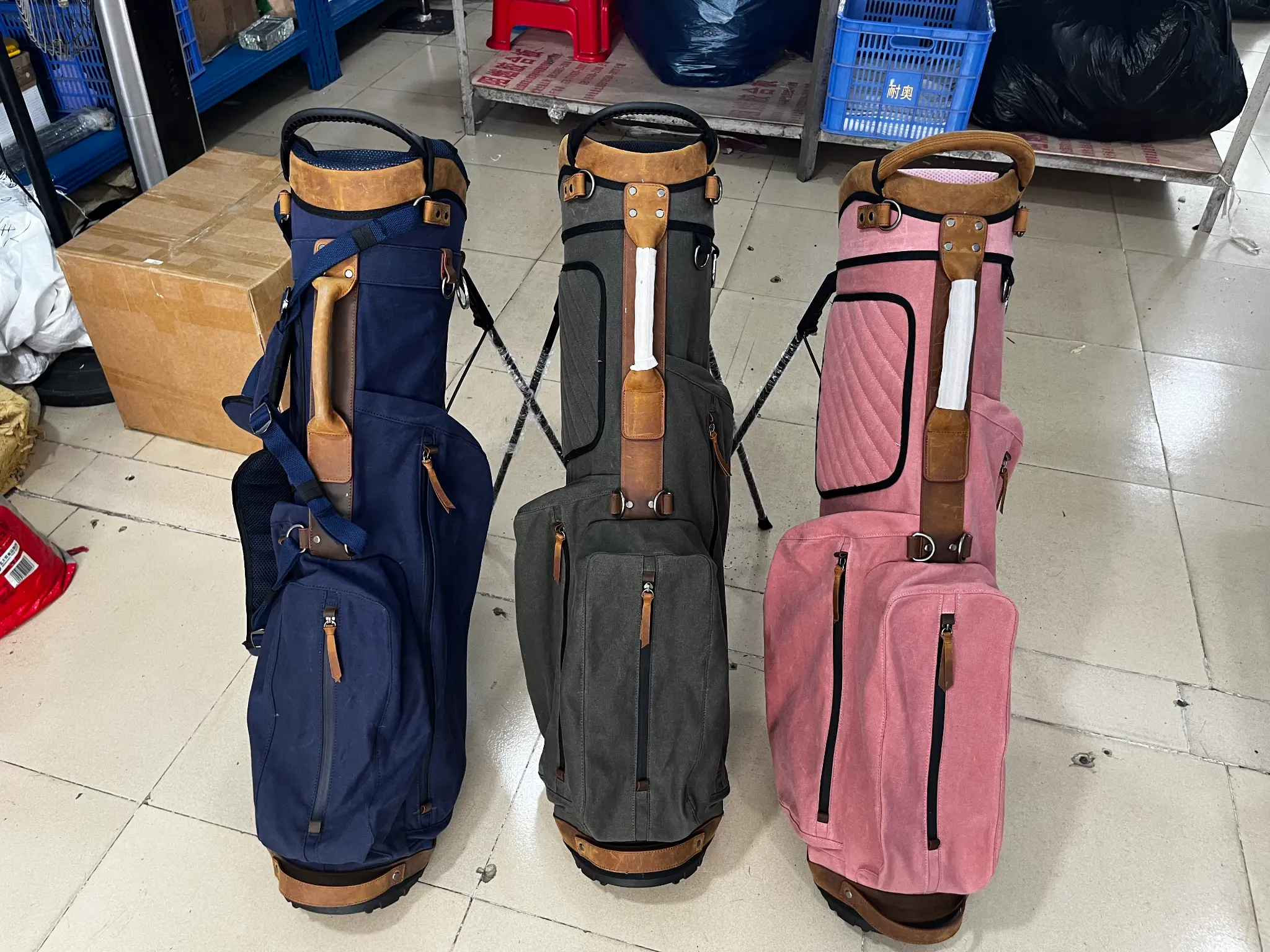
Notes from Product Development: Golf Bag Sample Approval
A comprehensive guide for B2B buyers on evaluating golf bag samples, covering structural integrity, aesthetic details, and functional alignment for better procurement decisions.
Links Golf Sports
Product Specialist & OEM Consultant · Links Sports Co
10+ years in golf & tennis bag manufacturing. Specialises in OEM/ODM custom branding, material sourcing, and B2B wholesale for brands across 30+ countries.
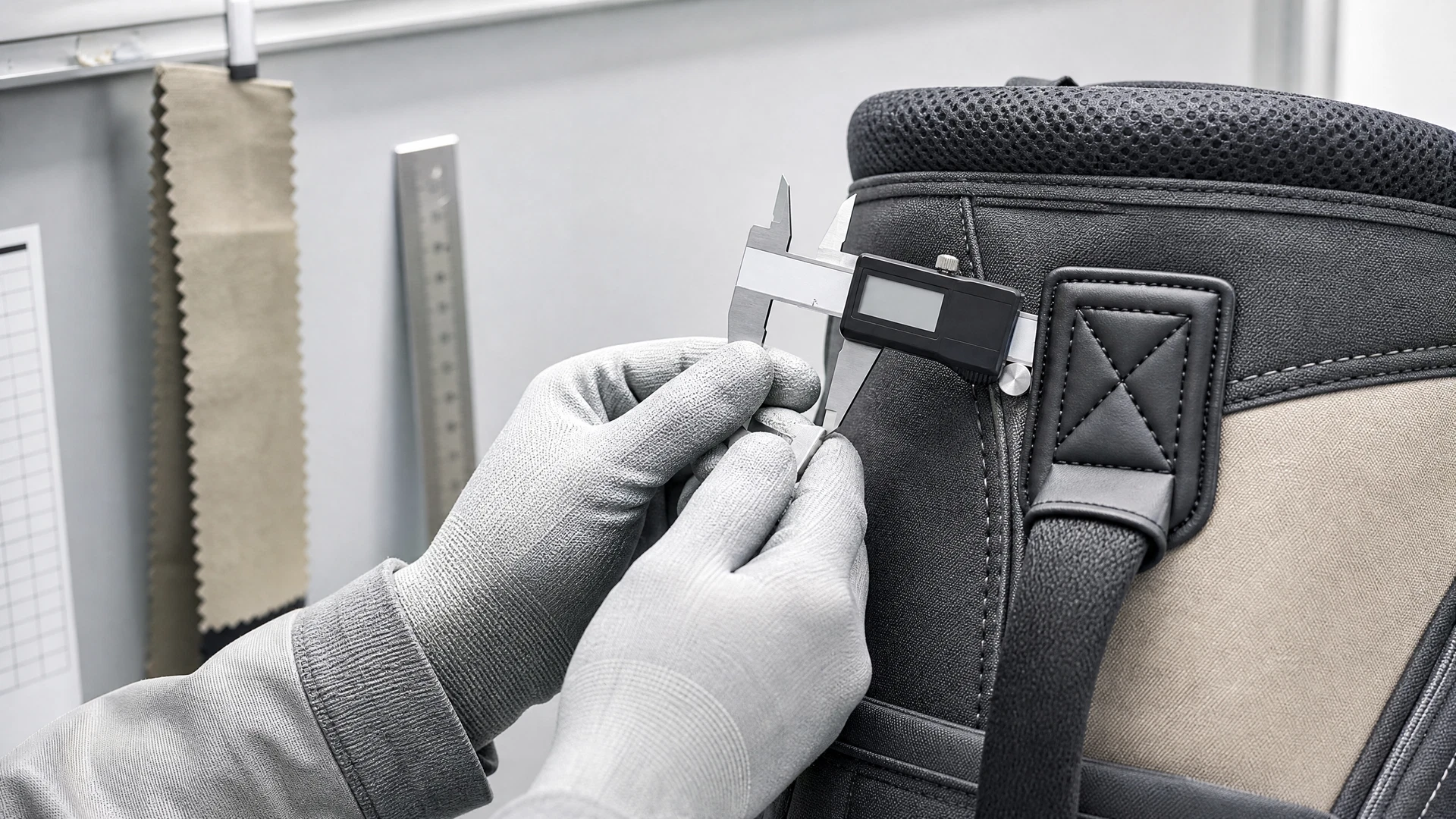
The transition from a conceptual design to a physical product is a critical phase in the golf bag procurement lifecycle. For B2B buyers, the sample approval process aligns the brand's vision with manufacturing capabilities. A structured review of these prototypes mitigates potential misunderstandings and provides a clearer path toward production readiness.
When a sample arrives, it represents a culmination of technical drawings, material selections, and assembly logic. However, without a systematic framework for evaluation, important details may be overlooked. Buyers may consider categorizing their review into three primary pillars: structural integrity, aesthetic precision, and functional utility. By isolating these elements, procurement teams can provide granular feedback, allowing the development team to make precise adjustments.
Understanding the Sample Hierarchy
The sampling process often involves multiple iterations, each serving a distinct purpose in the development timeline. Understanding the nuances between these stages helps in setting appropriate expectations for each delivery. The following table outlines the common types of samples encountered during the development of a custom golf bag.
| Sample Type | Primary Objective | Key Evaluation Focus |
|---|---|---|
| Initial Prototype | Form and Volume | Basic silhouette and pocket placement. |
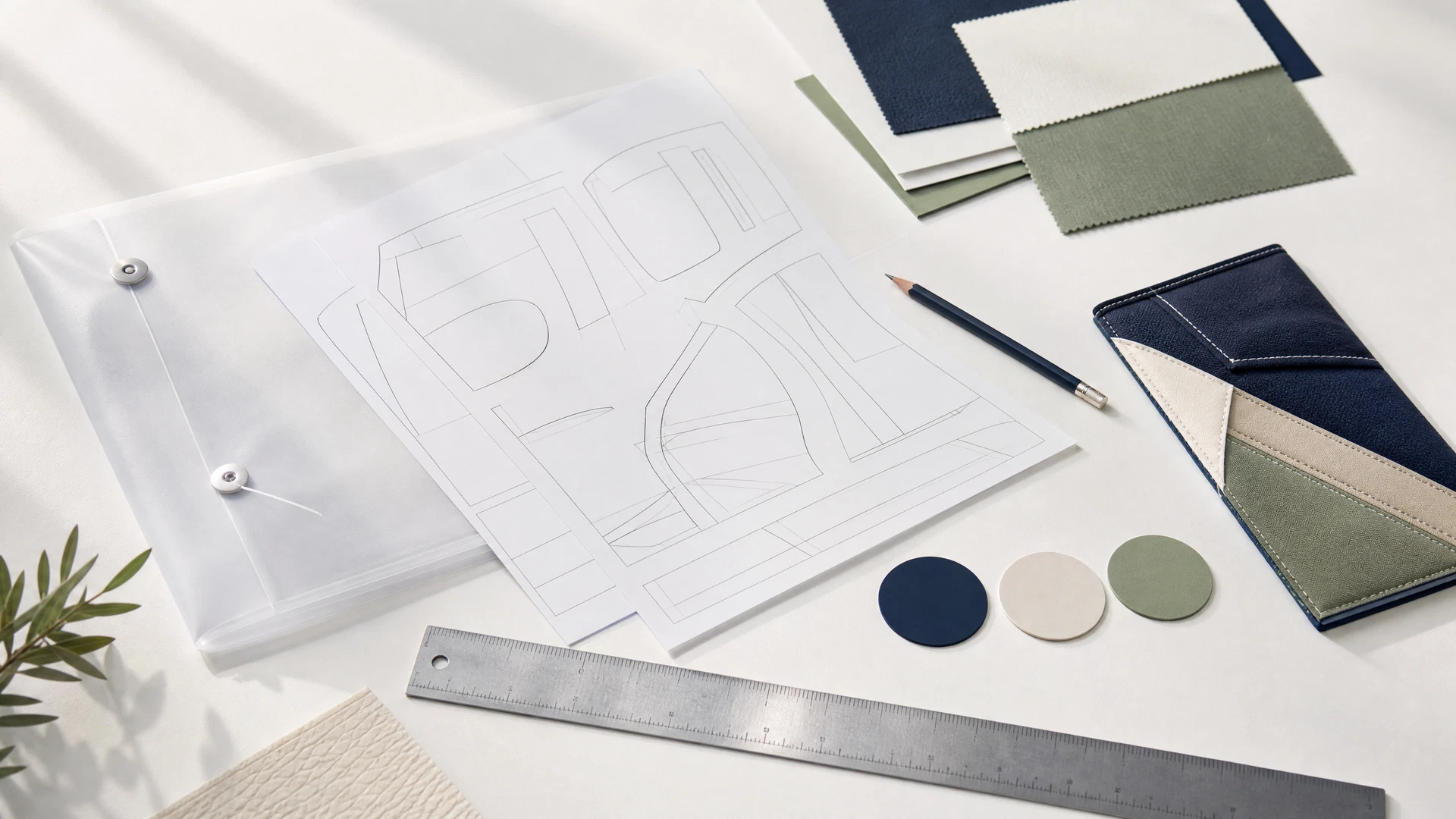
| Material Reference | Texture and Color | Hand-feel of fabrics and color matching. |
| Sales/Photo Sample | Aesthetic Finish | Logo application and hardware quality. |
| Pre-Production (PPS) | Production Fidelity | Final assembly methods and packaging. |
Each stage requires a different level of scrutiny. While an initial prototype might use available materials to test the pattern, the pre-production sample should reflect the components intended for the final run.
The Sample Approval Checklist
A robust checklist serves as a bridge between the design brief and the final product. It provides a standardized language for both the buyer and the supplier, ensuring that observations are translated into actionable technical feedback.
1. Structural and Material Integrity
The foundation of any golf bag is its internal structure and assembly quality. Buyers should consider the following:
- Stability and Balance: When placed on a flat surface, the bag should maintain its intended stance. For stand bags, the leg mechanism should deploy smoothly and retract without excessive force.
- Seam Consistency: Examine internal and external seams. They should appear uniform, with no visible gaps or loose threads that could compromise longevity.
- Material Tension: The fabric should be pulled taut over the internal frame. Excessive wrinkling or sagging may indicate a need for pattern adjustments.
- Weight Distribution: Consider how the bag feels when lifted. The balance point should align with the ergonomic expectations of the end-user.
2. Aesthetic Precision and Branding
The visual appeal of a golf bag often dictates its market positioning. Branding elements require particular attention:
- Logo Execution: Whether using embroidery or heat transfer, the logo should be centered and aligned. Edge definition and color vibrancy should be reviewed against brand guidelines.
- Hardware Finish: Zippers, buckles, and rings should have a consistent finish. Any plating or coating should be checked for uniformity.
- Color Continuity: Different materials—such as nylon and synthetic leather—may react differently to light. It is advisable to review color harmony across the components.
3. Functional Utility
A golf bag is a tool for the player, and its functionality is paramount.
- Pocket Access: Open and close each zipper multiple times. The action should be smooth, and the pocket openings should be wide enough for their intended purpose.
- Divider Alignment: The top dividers should be securely attached and padded. Check for any sharp edges or exposed staples that could damage club shafts.
- Strap Ergonomics: The carrying system should be easily adjustable. Padding should be positioned to provide comfort, and the attachment points should feel secure under a simulated load.
Refining the Communication Loop
The value of a sample review lies in the feedback loop it creates. Rather than providing broad statements, buyers are encouraged to use descriptive language. For example, "the zipper on the ball pocket catches at the curve" is more helpful than "the zippers are not good." Documenting the review with high-resolution photographs or videos also helps the production team understand the context of the feedback. In many cases, a video call to demonstrate a functional issue can save time.
Furthermore, buyers should consider the sequence of their requests. Major structural changes should ideally be finalized before focusing on minor aesthetic details. This hierarchical approach to feedback ensures that critical elements are addressed first, potentially reducing the total number of sampling rounds.
Frequently Asked Questions
How many rounds of sampling are typically considered normal? The number of iterations depends on the complexity of the design and the clarity of the initial technical pack. While some projects may find alignment after two rounds, more intricate designs may require additional versions to perfect the functional details.
Can we request material substitutions after seeing the first sample? Yes, the sampling phase is a time to explore material alternatives. If the initial choice does not meet the desired hand-feel or visual requirements, discussing alternatives with the supplier can help in identifying a more suitable option before production begins.
What should we do if the sample weight differs from the target? Weight variations can stem from internal reinforcements or hardware choices. If the weight is a concern, it is suggested to review components with the supplier to see where adjustments can be made without compromising structural integrity.
Collaborative Development
Navigating the complexities of golf bag development requires a partner who understands the balance between design intent and manufacturing reality. While this checklist provides a foundation for evaluation, each project carries its own set of requirements.
We invite procurement professionals to discuss their specific project needs. By sharing your vision and technical requirements, we can work together to refine the sampling process and move toward a successful production outcome. A detailed discussion is the first step in ensuring your project's goals are met.
Share this article