Why Waxed Canvas Golf Bags Are Dominating the 2026 Heritage Revival
Discover why waxed canvas golf bags are leading the 2026 premium market revival — from the PGA Show floor to B2B sourcing strategy. Material science, brand storytelling, and wholesale positioning insights.
Links Sports Co.
Product Specialist & OEM Consultant · Links Sports Co
10+ years in golf & tennis bag manufacturing. Specialises in OEM/ODM custom branding, material sourcing, and B2B wholesale for brands across 30+ countries.

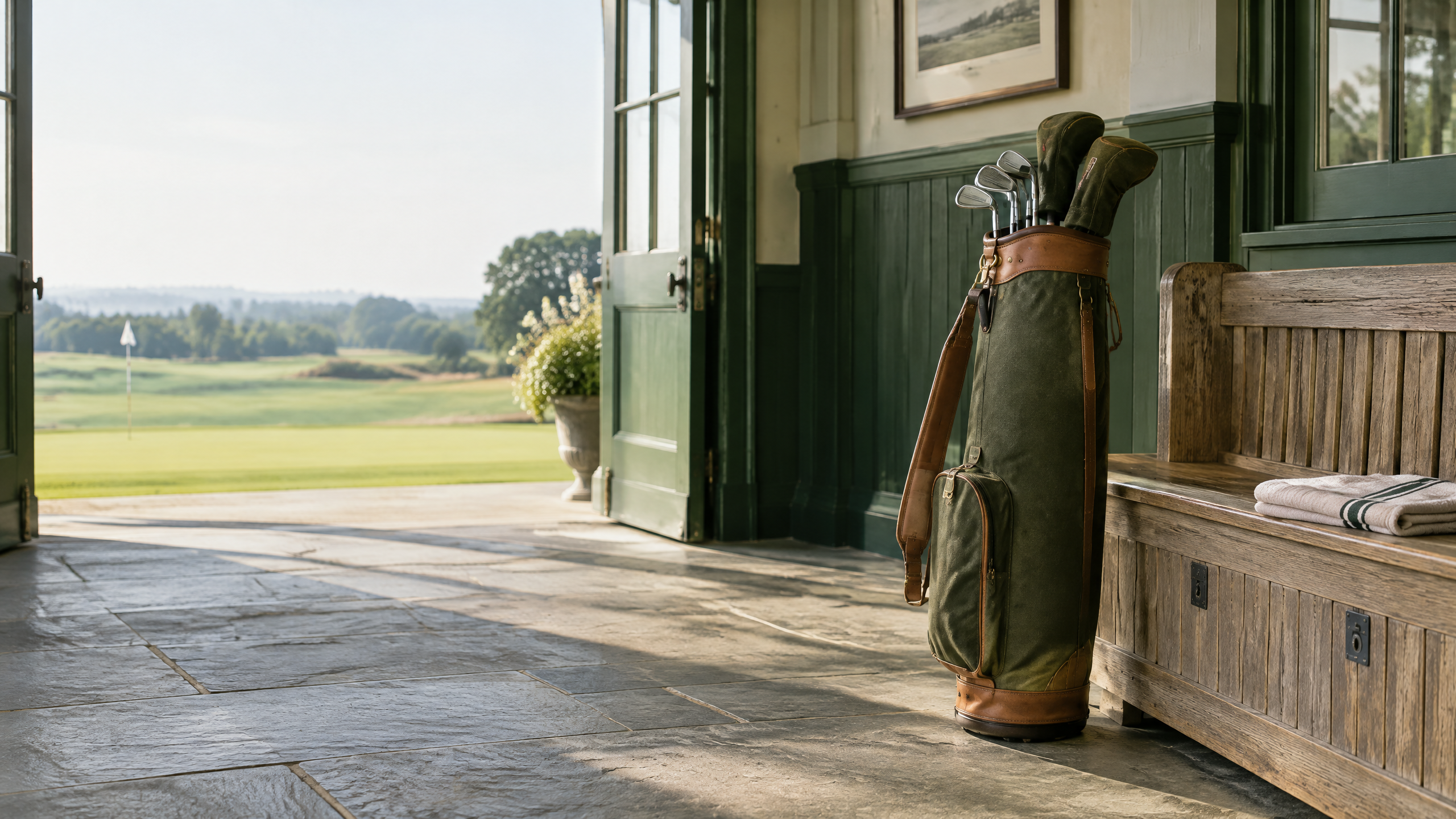
At the 2026 PGA Show held in Orlando this past January, one category drew more attention than any other on the floor: heritage-crafted bags built from waxed cotton canvas and trimmed with full-grain leather. Among the three most eye-catching bags highlighted by the PGA itself, the Heritage Weekender — constructed from heavy-duty 18oz waxed cotton canvas with full-grain leather hardware — stopped buyers in their tracks. It was not a coincidence. Across the show floor, the same aesthetic language repeated itself: natural textures, aged patinas, hand-stitched details, and materials that tell a story.
The waxed canvas golf bag is no longer a niche product for heritage enthusiasts. It has become one of the fastest-growing segments in the premium golf bag market, and understanding why matters enormously for B2B buyers, brand managers, and wholesale distributors who want to position their product lines ahead of the curve.
The Material Science Behind the Trend
Waxed canvas is cotton canvas that has been impregnated with a paraffin or beeswax compound, a technique dating back to 19th-century Scottish sailors who needed waterproof outerwear that could breathe. The result is a fabric that is naturally water-resistant without synthetic coatings, develops a unique patina with use, and grows more characterful over time rather than showing wear.
For golf bags specifically, waxed canvas offers a combination of properties that synthetic materials struggle to replicate. A 12oz to 20oz waxed canvas construction provides genuine weather resistance — critical for golfers walking exposed links courses in variable conditions — while remaining significantly lighter than leather alternatives. Sun Mountain's 2026 Hometown Waxed Canvas Stand Bag, constructed from 12oz waxed canvas, weighs just 5.8 lbs fully assembled, demonstrating that heritage aesthetics need not compromise performance.
The aging behavior of waxed canvas is perhaps its most commercially powerful attribute. Unlike nylon or polyester bags that show scratches and scuffs as damage, waxed canvas develops what craftspeople call a "wax bloom" — a lighter, frosted appearance at stress points that is universally regarded as a mark of authentic use. This means a waxed canvas golf bag becomes more visually interesting and personally meaningful with every round. For brands, this translates directly into emotional attachment and repeat purchase loyalty that synthetic bags rarely generate.
What the 2026 Market Data Tells Us
The timing of the waxed canvas revival aligns precisely with broader market dynamics. The global golf bags market was valued at USD 1.52 billion in 2025 and is projected to grow from USD 1.66 billion in 2026 to USD 3.48 billion by 2033, representing a compound annual growth rate of approximately 11%. Within this growth, the premium and ultra-premium segments are expanding fastest, driven by a consumer base that is both wealthier and more aesthetically discerning than previous generations of golfers.
More than 160 million people worldwide played some form of golf in 2025 — an almost 50% increase from 2023. This participation surge has brought a new demographic into the sport: younger players who grew up with heritage fashion brands, who understand material quality, and who actively seek products with authentic stories behind them. These consumers do not want a bag that looks like every other bag in the pro shop. They want something that reflects their identity.
For wholesale buyers, this demographic shift creates a clear commercial opportunity. Pro shops, resort retailers, and online specialty stores serving this new golfer cohort are actively seeking product lines that stand apart from mass-market offerings. A waxed canvas bag with genuine full-grain leather trim, hand-stitched details, and a documented material provenance commands retail price points 40–80% above comparable nylon constructions — and sells through faster because it generates its own conversation.
How Leading Brands Are Responding
MacKenzie Golf Bags, one of the most respected names in heritage golf bag construction, now offers waxed canvas as one of four base material options across their entire range, alongside full leather, treated canvas, and nylon. Their approach — all options trimmed in leather regardless of base material — establishes a consistent quality signal while allowing buyers to choose their preferred aesthetic and price point.
Bandon Dunes Golf Shop's waxed canvas bag, hand-crafted in Portland, Oregon using premium waxed canvas and full-grain leather, takes the model further by offering custom Sheep Ranch logo embroidery and personalized initials. This made-to-order approach eliminates inventory risk for the retailer while commanding a significant premium for the manufacturer.
At the institutional level, the European Tour Group's commitment to achieving net zero carbon by 2040 under its Green Drive sustainability strategy has added an unexpected dimension to the waxed canvas conversation. Natural waxed cotton is biodegradable, requires no synthetic coatings, and can be re-waxed to extend its life indefinitely — positioning it as a genuinely sustainable choice in an industry increasingly scrutinized for its environmental footprint. For B2B buyers serving European markets or sustainability-conscious retail partners, this provenance story carries real commercial weight.
The B2B Opportunity: What Wholesale Buyers Should Know
For brands and distributors evaluating waxed canvas as a product category, several practical considerations shape the sourcing decision.
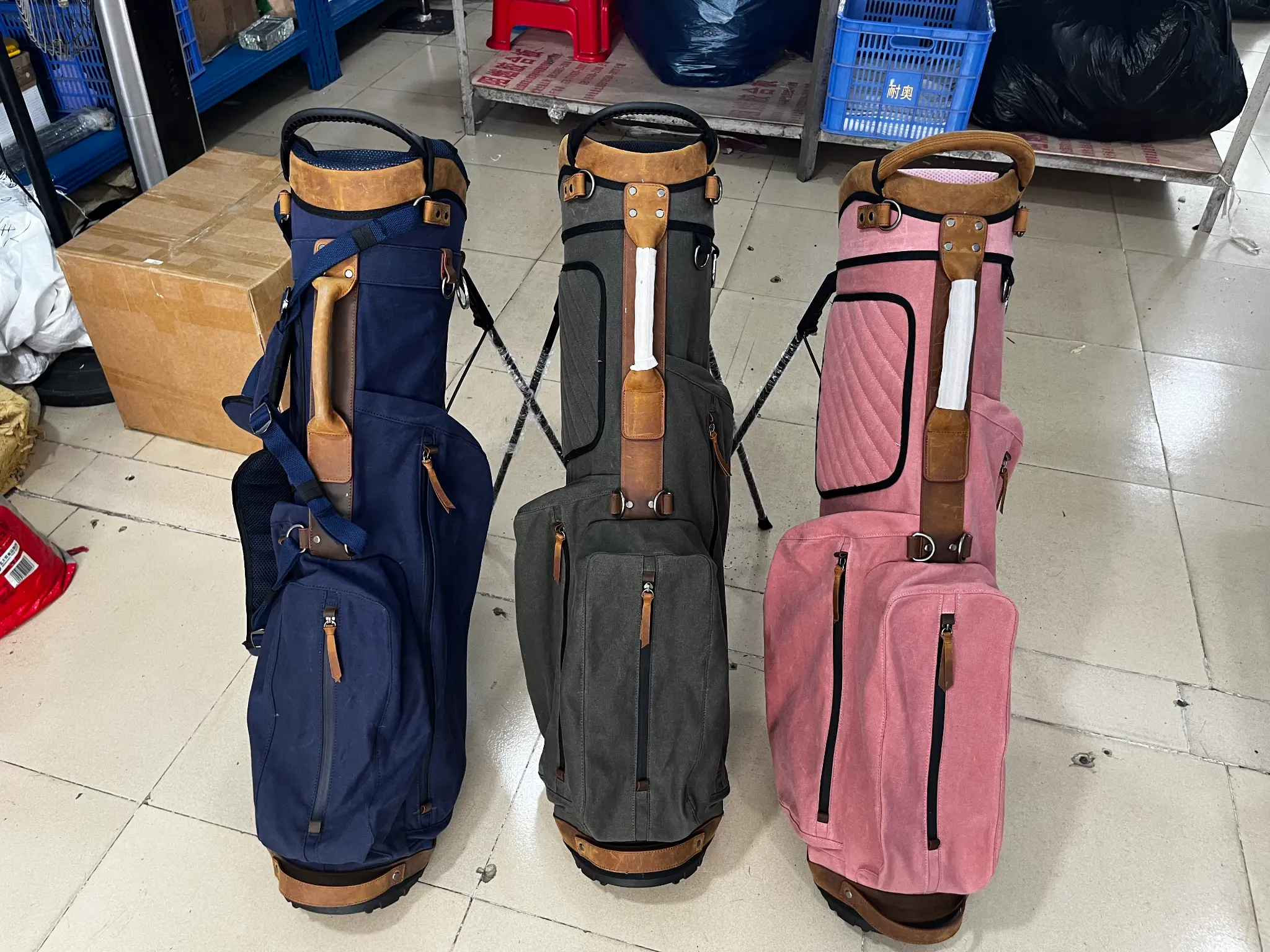
Material weight and construction. Waxed canvas is available in weights ranging from 8oz to 22oz. Golf bag applications typically use 10oz to 18oz fabric. Lighter weights (10–12oz) suit carry bags and Sunday bags where weight is paramount; heavier weights (16–18oz) are appropriate for cart bags and travel covers where durability and weather resistance take priority. The wax compound also matters: paraffin-wax treatments are more affordable but require more frequent re-waxing; beeswax blends are more expensive but offer superior water repellency and a richer initial color.
Leather trim compatibility. The visual success of a waxed canvas golf bag depends heavily on the quality and tanning method of its leather trim. Full-grain vegetable-tanned leather develops a patina that complements the aging of waxed canvas; chrome-tanned leather, while more affordable, does not age in the same way and can look mismatched after a season of use. Specifying vegetable-tanned trim in your sourcing brief is a detail that separates premium products from mid-market imitations.
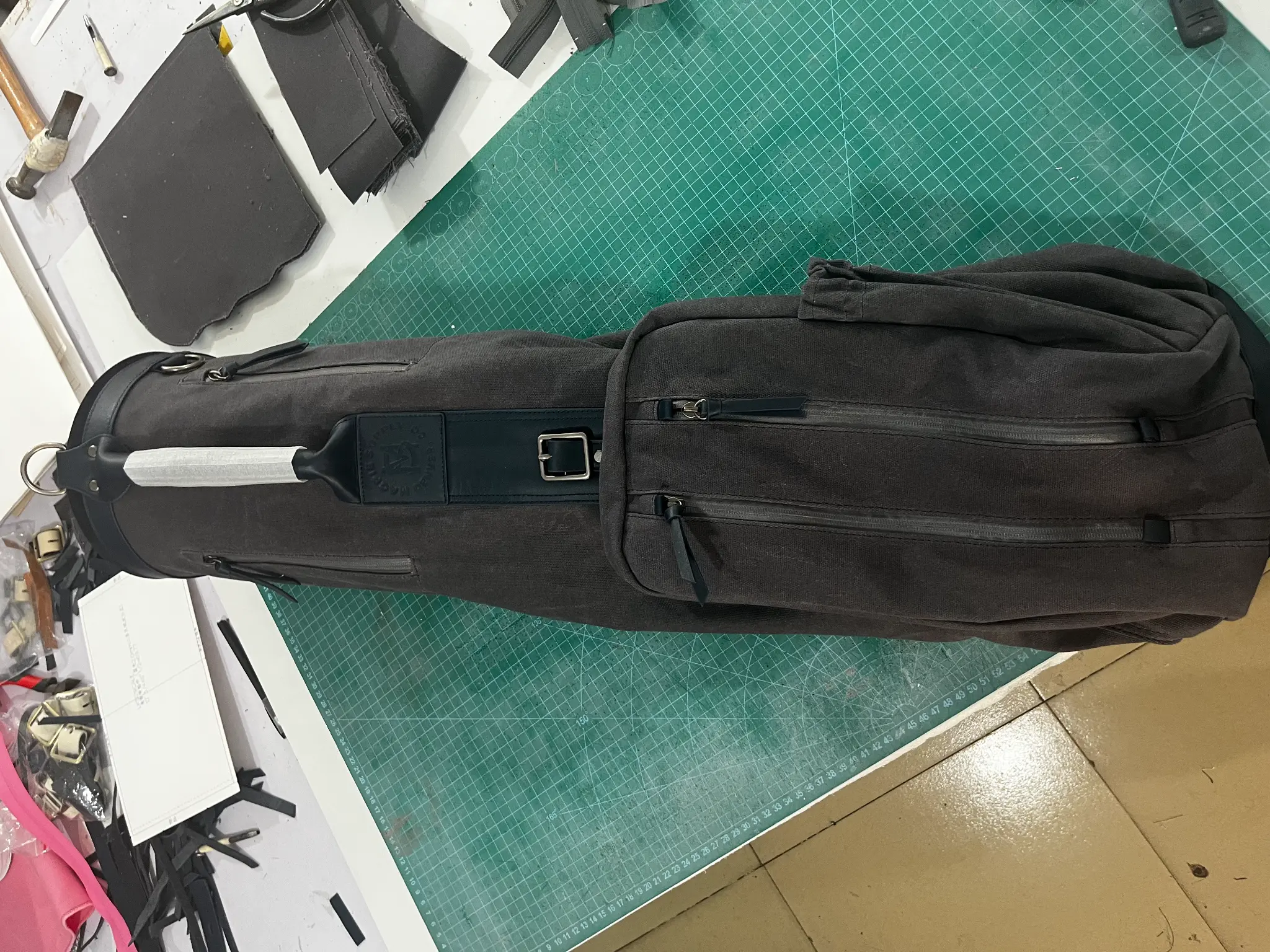
MOQ and lead time realities. Waxed canvas golf bags require more skilled labor than nylon constructions. Hand-stitching, leather skiving, and wax-canvas cutting all demand craftspeople with specific training. Expect minimum order quantities of 200–500 pieces per colorway from reputable manufacturers, with sample-to-production lead times of 45–75 days for fully custom designs. These timelines are longer than synthetic bag production but are standard for the category.
Storytelling as a sales tool. The single most effective marketing asset for a waxed canvas golf bag is a documented material story. Where was the canvas woven? What weight and wax compound does it use? How should the customer care for it? Manufacturers who provide this documentation — fabric mill certificates, wax compound specifications, care instructions — give their wholesale partners the tools to justify premium pricing at retail.
Positioning Your Brand in the Heritage Segment
The waxed canvas revival is not a passing trend. It reflects a durable shift in consumer values toward authenticity, craftsmanship, and products that improve with age rather than degrade. For B2B buyers, the strategic question is not whether to enter this segment but how to position within it.
The most successful brands in the heritage golf bag space share three characteristics. First, they commit to material authenticity — they do not use waxed canvas as a surface treatment on synthetic backing, but as the primary structural fabric. Second, they pair their material story with visible craftsmanship details: hand-stitched seams, solid brass hardware, leather pull tabs. Third, they educate their retail partners with product knowledge that empowers confident selling.
Links Sports Co. has built its manufacturing capability precisely around these principles. With 20oz waxed canvas constructions, full-grain leather trim, and hand-stitched detailing across its Heritage line, the company offers wholesale partners a product that carries its own story — one that sells itself to the growing segment of golfers who want something worth keeping for decades.
The 2026 PGA Show made one thing clear: the golfers who will drive premium market growth over the next decade are not looking for the lightest synthetic bag or the most feature-laden cart bag. They are looking for something that feels like it was made for them, from materials that mean something. Waxed canvas, done well, delivers exactly that.
Links Sports Co. is a premium golf and tennis bag manufacturer specializing in waxed canvas, full-grain leather, and custom OEM/ODM production for wholesale buyers worldwide. Contact us to discuss your next collection.
Share this article