The Borrow-and-Play Brief: Designing a Custom Tennis Bag Programme for First-Time Players
Plan a club-owned custom tennis bag programme for first-time players with practical guidance on equipment flow, identification, storage, resets and pilot approval.
Links Sports Co
Product Specialist & OEM Consultant · Links Sports Co
10+ years in golf & tennis bag manufacturing. Specialises in OEM/ODM custom branding, material sourcing, and B2B wholesale for brands across 30+ countries.
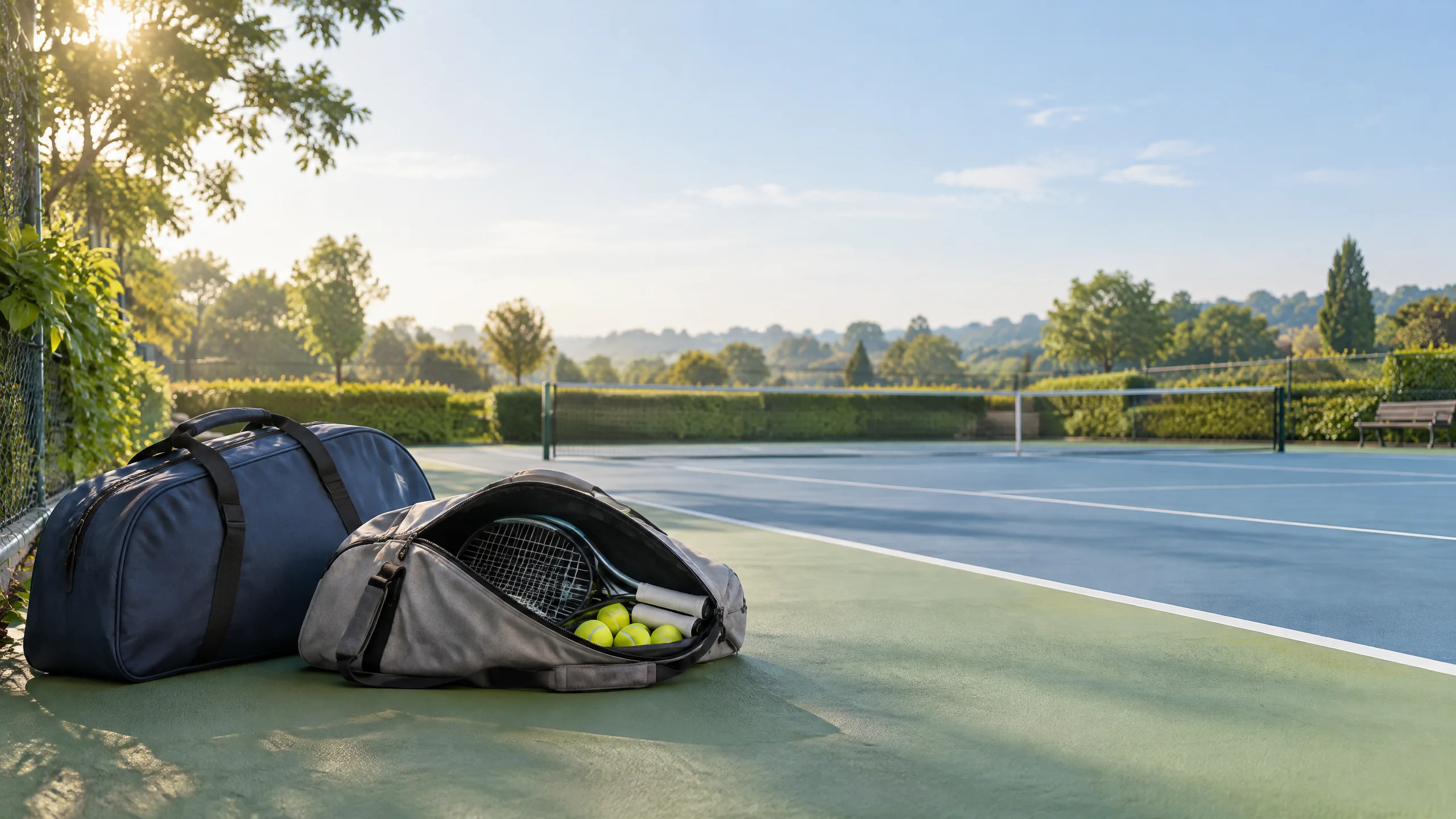
A person trying tennis for the first time should not have to arrive with a perfectly assembled equipment kit. For many clubs, clinics, hospitality programmes and member-introduction sessions, that first barrier is practical: where is the racquet, where are the balls, who returns them and how does the next participant receive a complete set?
A club-owned custom tennis bag programme can make that handoff calmer. It is not a retail bag for a player to buy and keep. It is a repeat-use system that gives staff a visible, organised way to lend basic equipment, move it between courts and prepare it for the next session.
The useful design question is not “What is the most feature-packed bag?” It is “What must be easy for a first-time player and easy for the club to reset?”
Define the bag’s role before choosing pockets
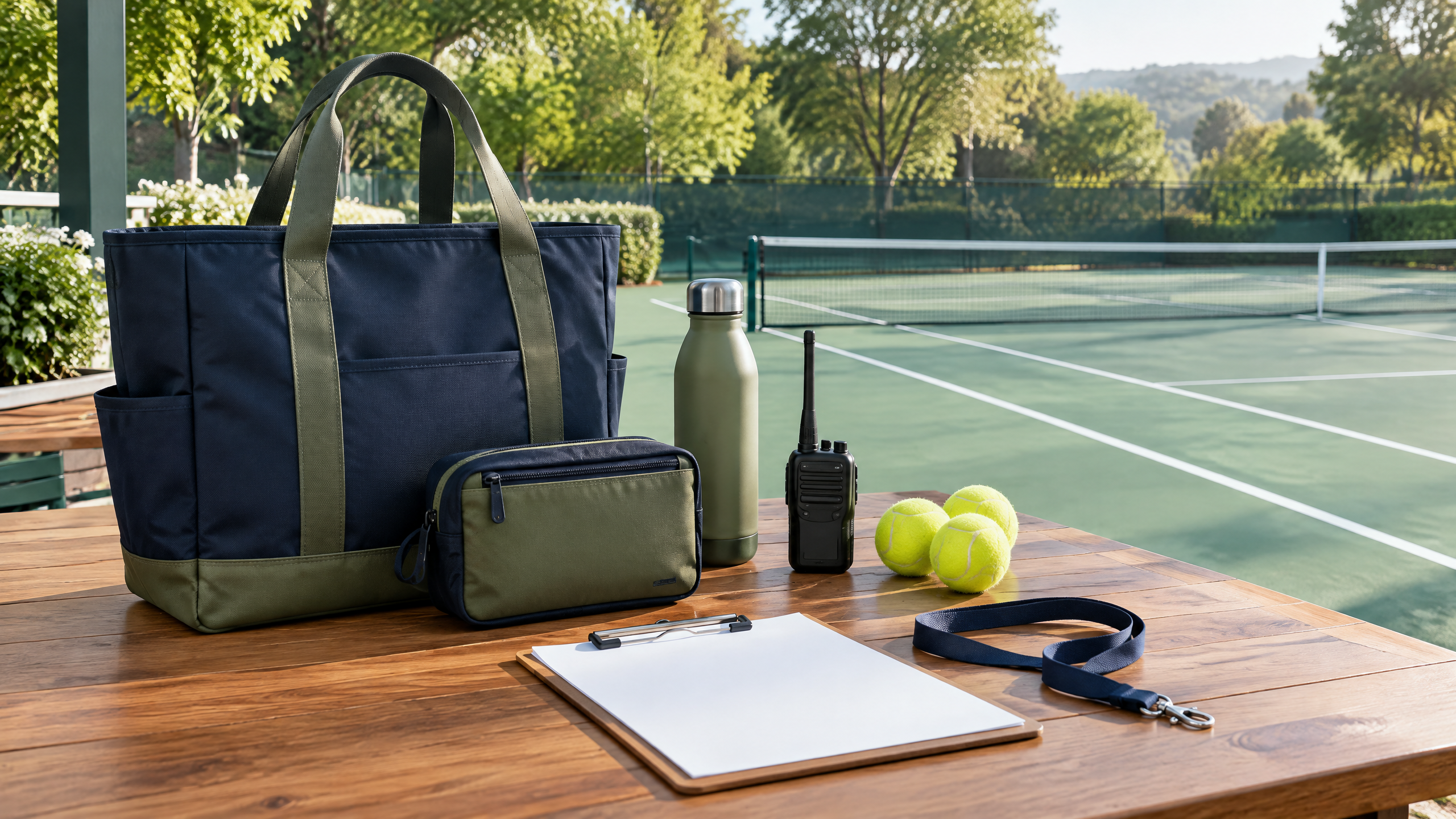
A tennis borrow bag serves a different role from a coach’s courtside organiser or a tournament staff bag. Its core job is to create a reliable first-session handoff.
Before asking a manufacturer for dimensions or materials, identify which of these programme models applies:
- Intro clinic: Staff hand a complete bag to a guest at the beginning of a scheduled session and collect it afterward.
- Member trial: A club keeps a small pool of equipment available for a member bringing a friend or trying a new activity.
- Resort or hospitality session: A guest receives equipment at check-in and returns it at a specified point after play.
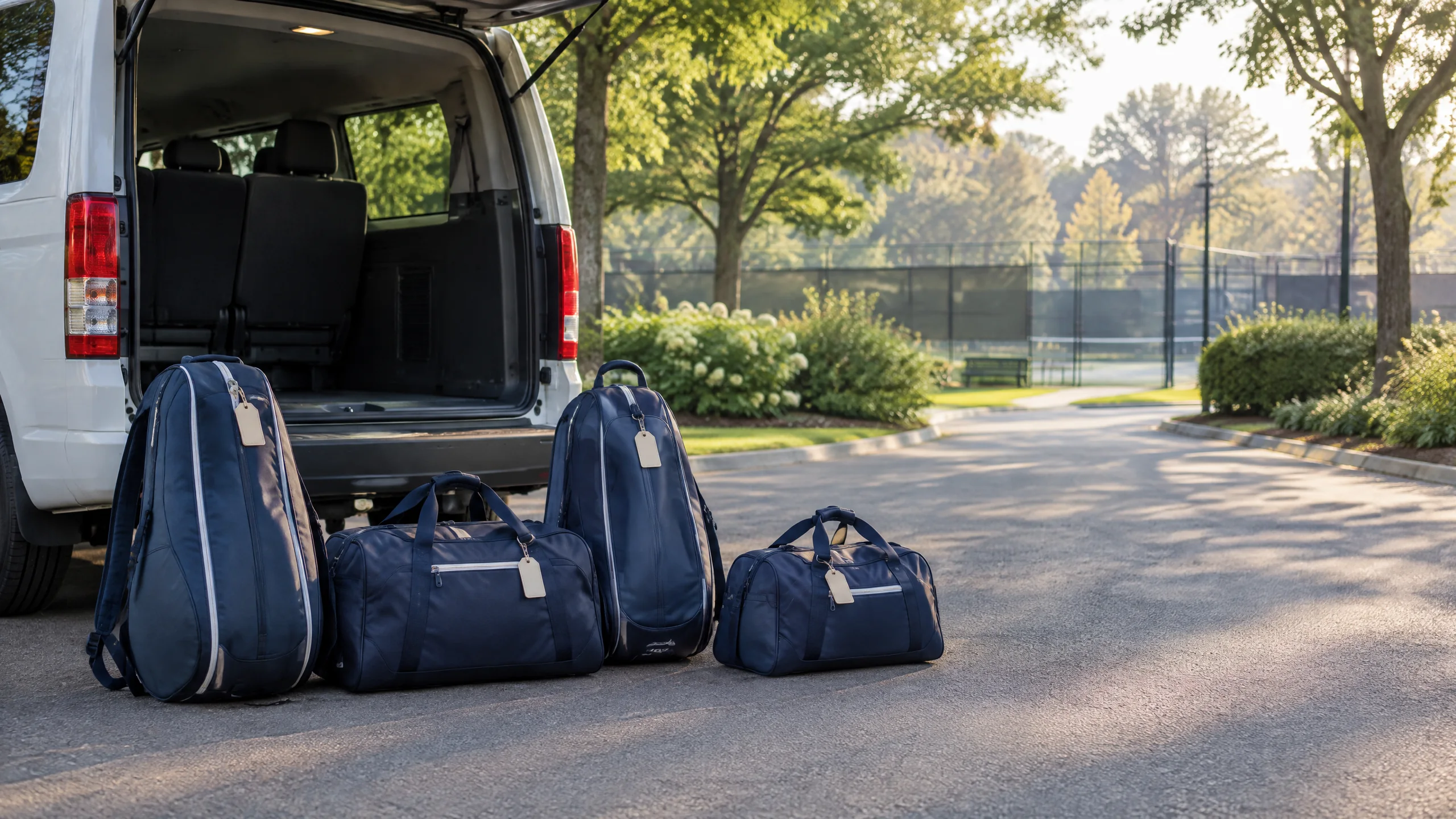
- School or youth partner session: Staff transport bags between storage, vehicle and court in repeated groups.
The bag does not need to solve every model at once. A focused brief prevents a generic sports bag from becoming difficult to issue, reset or store.
Think in “complete sets,” not loose equipment
The first player should not have to decide whether the kit is missing a racquet, ball or towel. The simplest operational choice is to define one bag as one complete session set.
An illustrative starter configuration might include:
| Set component | Why it belongs in the system |
|---|---|
| Two entry-level racquets | Gives a guest a clear option if one is being adjusted or shared |
| A small ball tube or approved ball pouch | Keeps the session equipment together and visible |
| Simple instruction card or court-map sleeve | Helps the club communicate where to return or meet without adding a loose paper pile |
| Towel or wipe pouch | Gives staff a designated place for the club’s hygiene/reset routine |
| Blank ID panel or removable tag holder | Makes it easier to identify the kit without embroidering a different permanent name on each bag |
The exact contents are for the club to choose. A bag supplier should not guess the racquet mix, hygiene policy or equipment issue rules. The buyer’s job is to describe the set; the supplier’s job is to make that set practical to carry, access and reset.
Design for the staff reset, not only the guest handoff
A guest sees the bag for a few minutes. Staff reset it repeatedly. That is where a good design earns its place.
Ask your team to walk through the end of a session in plain language. The staff member receives a bag. They check the racquets, return loose balls, separate anything that needs cleaning, and put the bag back into ready-to-issue storage. Every unnecessary step becomes a small operational friction point when the clinic is full.
A practical tennis beginner equipment kit may therefore need:
- A main opening that lets staff see the set at a glance.
- A durable, easy-to-identify exterior area for a bag number or colour marker.
- A modest separate pocket for a towel or items that should not sit directly against racquets.
- A carry solution suitable for moving several bags from storage to court.
- A shape that can stand or stack neatly in the club’s actual storage space.
Avoid assuming that more pockets always create more value. Too many hidden compartments can make a reset slower because staff must check every location before the next session.
Give each bag an identity without turning it into a personal product
Borrow bags need to be distinguishable, but not permanently personalised for one person. A simple ID strategy can make a programme much easier to manage.
Consider one of these approaches:
Number panel. Each bag has a clean, durable patch or card sleeve marked by the club after delivery. This is useful when a front desk or coach needs to record which set has been issued.
Colour family. A club might use one base bag colour with a small secondary colour on the tag or handle wrap. This is helpful for grouping junior, adult-intro or hospitality sets without making a complex visual system.
Role label. Instead of player names, bags can be marked “Court 1,” “Clinic A” or “Demo Set.” The wording should follow the club’s own operational language.
Keep the identification visible enough for staff but understated enough that the bag still looks welcoming in front of a guest. A club programme is an introduction to the experience, not an equipment checkout counter.
Plan the route from storage to court
A bag can work on a product photograph and still fail in the route staff actually use. Map the physical journey before sampling:
- Where are ready bags stored?
- Who carries them to the court and how many at once?
- Does the route include stairs, a cart path, a locker room or an outdoor walk?
- Where does the bag sit while a session is running?
- Where are returns checked and reset?
The route determines details such as handle placement, shoulder strap preference, base shape and the value of a wide opening. It can also show that the club needs two formats: a small individual issue bag and a larger staff transport bag. In that case, keep the visual family connected but let each format do its own job.
For an equipment bag focused on the coach’s immediate courtside work, compare this with our custom tennis coach bag guide. The borrow-bag programme is about participant handoff; the coach bag is about running the session.
Pilot a few sets before a wider programme
A pilot protects the buyer from making a large decision based only on a sample review table. It does not need to be complicated.
Choose a small number of initial sets and use them in realistic sessions. Ask staff to record only the questions that matter:
- Could they confirm a complete set in a few seconds?
- Did any equipment move around too freely during carry?
- Was the ID visible at the moment of issue and return?
- Did the bag fit the storage location without awkward stacking?
- Was there a clear place for items that needed separate handling?
- Did a first-time player understand what belonged in the bag?
This is not a performance claim about the bag. It is a decision routine for the club. The result may be a minor change to the pocket plan, tag position or handle layout before a fuller programme is considered.
Keep the visual identity welcoming and repeatable
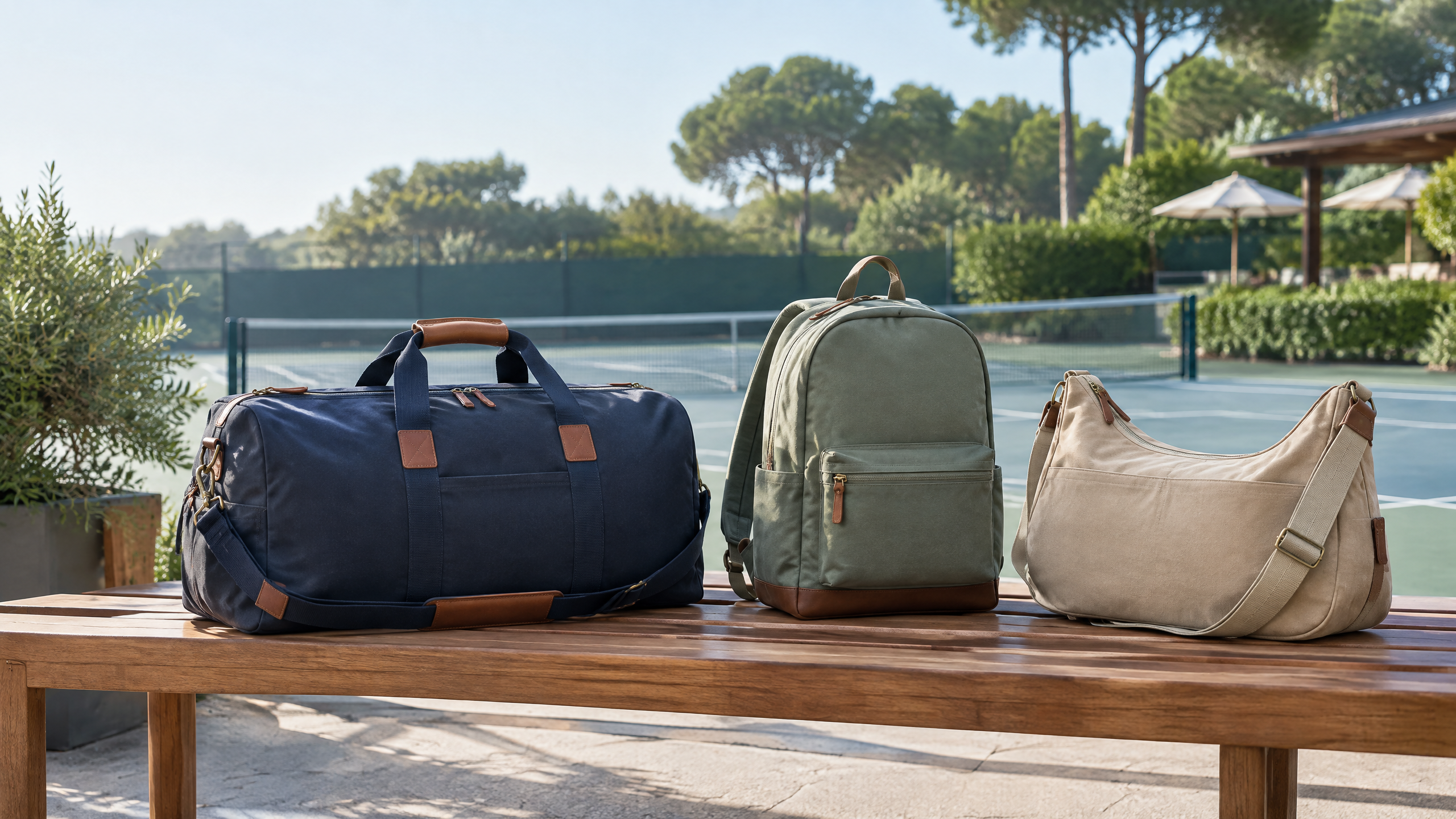
A first-session bag should feel like it belongs to the club, not like a random lost-and-found item. A restrained club colour, small wordmark or clear role tag can make the programme feel cared for. The best visual choice depends on the setting.
A public club may use bright, easy-to-spot ID colours. A private club may prefer a neutral base with a subtle crest. A resort might use a clean colour that photographs well near the court. The branding should support the handoff, not hide the information staff need.
If your wider racquet-sports programme includes tennis, pickleball and padel, the visual system can extend across formats without forcing the same pocket layout onto every bag. Our guide to multi-sport welcome packs shows how a club can create a consistent membership expression across different courts. The borrow-bag programme should remain operationally simpler.
Illustrative club scenario
Imagine a tennis club launching weekly “first rally” sessions for members who bring a friend. The staff team wants eight ready bags at the front desk. Each bag contains two racquets and a ball pouch, while a removable numbered ID card lets staff log the set at issue and return.
During the pilot, the team finds that a deep side pocket makes the ball pouch hard to check. The revised brief moves that pouch to a more visible upper location and adds a simple interior divider. The equipment is not more elaborate; it is easier to reset.
This is an illustration, not a claim about an existing club or customer. The point is to test the moment the programme repeats, not only the moment it launches.
Build the supplier brief around the real operating questions
When you contact a custom tennis bag manufacturer, send a brief that answers the following:
- Who will issue and reset the bags?
- What is one complete set?
- How many bags need to move at one time?
- What must be seen immediately at return?
- Where will the bags be stored?
- What club identity or programme marking is required?
- What needs approval on the physical sample before production is discussed?
Clear answers allow a supplier to suggest a suitable construction direction without inventing usage claims. For broader club or private-label tennis bag ideas, explore the tennis bag category and share your programme brief with Links Sports Co.
Frequently Asked Questions
Q: What is a tennis borrow bag programme?
It is a club-owned, repeat-use equipment system for first-time players, trial sessions or clinics. The bag helps staff issue, carry, check and reset a defined equipment set; it is different from a retail bag that belongs to one player.
Q: What should go inside a beginner tennis equipment bag?
The club should define the set based on its own programme. A common starting point can include racquets, balls, a simple instruction or return sleeve and a designated place for items that need separate handling. The key is that staff can verify completeness quickly.
Q: How should clubs label shared tennis bags?
Use a visible number panel, removable card holder, colour marker or role label. Shared bags benefit from clear programme identification rather than permanent individual names.
Q: Why should a club pilot a custom tennis borrow bag before a larger order?
A small pilot lets staff test the real route from storage to court and back. It can reveal whether the opening, ID position, carrying method and reset routine work for the club’s actual sessions before a larger programme is planned.
Share this article